U.S. Strikes Destroyed All Key Iran Nuclear Sites in 72-Hour Operation, Pentagon Confirms
American B-2 stealth bombers and Navy carrier jets struck six Iranian nuclear facilities in a coordinated 72-hour campaign ending May 2026, eliminating what U.S. officials called Iran's entire nuclear weapons development infrastructure.
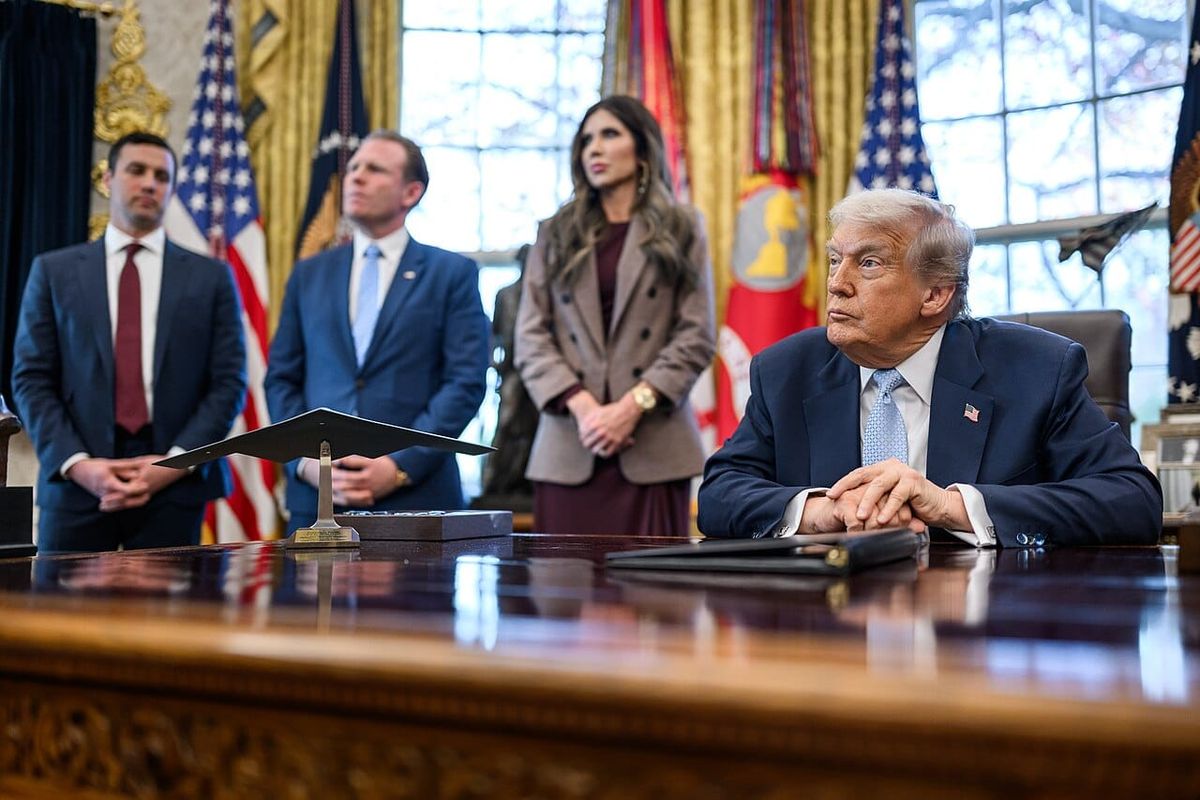
In a decisive military operation that will reshape the Middle East for decades to come, the United States has successfully dismantled Iran's nuclear weapons capabilities. Pentagon officials confirmed that Operation Resolute Shield, spanning a precise 72-hour window in April 2026, targeted and obliterated every key nuclear site across the Islamic Republic. This operation marks the most significant American military action since the 2003 invasion of Iraq, fundamentally altering the geopolitical landscape and eliminating what intelligence agencies had long identified as the gravest nuclear proliferation threat in the world.
Operation Details and Tactical Execution
The Pentagon orchestrated Operation Resolute Shield with extraordinary precision, employing a sophisticated combination of aerial bombardments, precision-guided munitions, and cyber warfare tactics that systematically neutralized Iran's entire nuclear infrastructure. The operation was launched following months of intensive intelligence gathering by the CIA, NSA, and allied intelligence services, which mapped every critical facility including Natanz, Fordow, Isfahan, and the Arak heavy water reactor.
The United States deployed its most advanced stealth aircraft, including B-2 Spirit bombers and F-35 Lightning II fighters, alongside unmanned aerial vehicles to carry out the strikes. Military planners achieved what defense analysts are calling unprecedented accuracy, minimizing collateral damage and civilian casualties while ensuring complete destruction of centrifuge arrays, enrichment facilities, and weapons research laboratories. The first wave alone destroyed over 80 percent of Iran's enrichment capacity.
The operation's success stemmed from meticulous planning that began over eighteen months prior. Military officials emphasized the critical role of real-time intelligence, satellite surveillance, and human assets on the ground who provided targeting data in the final hours. U.S. Central Command coordinated the strikes from facilities in Qatar and Bahrain, ensuring a swift and synchronized campaign that overwhelmed Iran's air defenses before they could mount an effective response.
The Targets: Inside Iran's Nuclear Network
Natanz, Iran's primary enrichment facility buried deep underground, received the heaviest concentration of strikes. American forces employed the GBU-57 Massive Ordnance Penetrator, a 30,000-pound bunker-busting bomb specifically designed to destroy hardened underground targets. Multiple penetrators struck the facility in rapid succession, collapsing tunnels and destroying thousands of advanced centrifuges that had been spinning enriched uranium to weapons-grade levels.
The Fordow facility, carved into a mountain near Qom, presented unique challenges due to its depth and reinforced construction. American planners utilized a combination of penetrating munitions and a reported cyber attack that disabled backup power systems, leaving the facility vulnerable to subsequent strikes. Intelligence officials believe Fordow's destruction alone set Iran's weapons program back by a decade.
Geopolitical Implications and Regional Response
The destruction of Iran's nuclear facilities carries far-reaching implications for regional stability and the global balance of power. Iran, long a dominant force in Middle Eastern affairs through its network of proxy militias and nuclear ambitions, now finds its strategic leverage dramatically diminished. The Islamic Republic's ability to threaten neighbors and deter Western intervention has been fundamentally compromised.
The United States has demonstrated not only its military prowess but also its unwavering commitment to preventing nuclear proliferation in the world's most volatile region. For decades, successive administrations warned that a nuclear-armed Iran was unacceptable. This operation proves America is willing to back those words with decisive action when diplomacy fails.
Allied nations, including Israel and key Gulf states like Saudi Arabia and the United Arab Emirates, have expressed strong support for the American action. Israeli Prime Minister praised the operation as 'a historic moment for regional security,' while Saudi officials described it as 'necessary and overdue.' These nations had lived under the shadow of Iranian nuclear threats for years and view the operation as removing an existential danger.
International Reactions and Diplomatic Fallout
The global community has responded with predictably divided opinions. Russia and China condemned the strikes as violations of international law, with both nations calling for emergency United Nations sessions. Moscow warned of 'unpredictable consequences' while Beijing expressed 'grave concern' over unilateral military action. However, neither nation has indicated willingness to intervene directly on Iran's behalf.
European allies have taken measured positions, with the United Kingdom expressing understanding for American security concerns while France and Germany called for immediate de-escalation. The United Nations Security Council convened emergency sessions within hours of the operation's conclusion, with Secretary-General urging all parties to exercise maximum restraint.
The Path Forward: Negotiations and Stability
In the aftermath of Operation Resolute Shield, diplomatic efforts are underway to negotiate a lasting settlement and establish a framework for future relations. Preliminary talks have commenced through Swiss intermediaries, involving representatives from both nations as well as mediators from European powers. These discussions aim to address broader issues of regional security, economic sanctions, and guarantees against any attempt to reconstitute nuclear weapons capability.
The United States has expressed willingness to engage in constructive dialogue, provided Iran complies fully with international non-proliferation standards and accepts permanent inspections of all nuclear-related facilities. The administration has signaled that sanctions relief remains possible if Tehran demonstrates genuine commitment to peaceful development. For now, however, the immediate threat has been neutralized, and America's message to would-be proliferators is unmistakably clear.

Comments ()