The World Is Entering a More Dangerous Nuclear Era.
New START is expired, China is expanding its nuclear arsenal, and flashpoints from Ukraine to Taiwan are multiplying. The world is entering a more dangerous nuclear era.
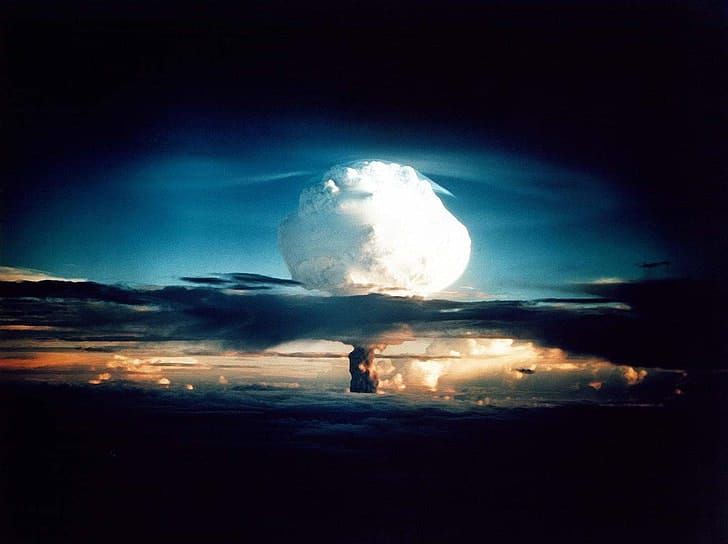
The last major treaty limiting U.S. and Russian nuclear arsenals is gone. Nine countries have nuclear weapons, and the flashpoints are multiplying.
The world is entering a period of heightened nuclear risk. When the New Strategic Arms Reduction Treaty (New START) expired in February, it took with it the last major bilateral agreement limiting deployed U.S. and Russian strategic nuclear warheads — along with the transparency, inspections, and communication that helped reduce the risk of miscalculation for years. That framework no longer exists.
Today, nine countries are widely recognized as possessing nuclear weapons. According to the Federation of American Scientists, Russia and the United States continue to hold the overwhelming majority of the world's nuclear inventory, while China is expanding its arsenal at a significant pace. Other nuclear-armed states, including France, the United Kingdom, India, Pakistan, Israel, and North Korea, continue to shape an increasingly complex strategic environment.
Military planners are closely watching several potential flashpoints. Russia's war in Ukraine continues to strain relations with NATO. Tensions involving Iran and Israel remain elevated. India and Pakistan have a long history of crises that could escalate rapidly. North Korea continues advancing its missile capabilities. China has increased military pressure around Taiwan. Each of these situations carries different risks, but together they illustrate why strategic communication and crisis management remain essential tools of modern statecraft.
The Bulletin of the Atomic Scientists has warned that humanity faces multiple simultaneous risks, including nuclear weapons, biological threats, disruptive technologies such as artificial intelligence, and geopolitical instability. Whether one agrees with every aspect of its assessment or not, the underlying message is difficult to dismiss: global security challenges are becoming more interconnected, and the institutions designed to manage them are under strain.
Facts matter in conversations like these. Public debate benefits from relying on official documents, credible research institutions, and transparent data rather than speculation. The U.S. Department of State, the Federation of American Scientists, and the Bulletin of the Atomic Scientists all publish materials that help citizens understand the strategic landscape and evaluate decisions made on their behalf.
The United States has long relied on military readiness, diplomacy, and alliances to reduce the likelihood of nuclear conflict. Those tools remain important. Arms control agreements alone cannot eliminate risk, but communication, transparency, and deterrence have historically reduced the chance that misunderstanding turns into catastrophe.
Americans should pay attention to these developments not because panic is useful, but because informed citizens are better equipped to evaluate public policy. National security is not solely the responsibility of elected officials or military planners. An informed public strengthens democratic accountability.
The hope is that future leaders choose dialogue over escalation and strategic stability over unchecked competition. History demonstrates that restraint has prevented nuclear weapons from being used in conflict since 1945. Preserving that record remains one of the most important responsibilities of modern leadership.
About the Author
Keith Degitz is an independent journalist and founder of Conspiracy Theory Nut (CTN), a digital media platform focused on accountability, public policy, and underreported stories. His reporting and commentary reach audiences across multiple social media platforms.

Comments ()