SCOTUS Wraps Up Its Term With a Flurry of Major Rulings. One Guarantees Citizenship for Babies of Illegal Immigrants.
SCOTUS just handed Trump one of the biggest expansions of presidential power in nearly a century. It also made sure children born to illegal immigrants keep their automatic citizenship.
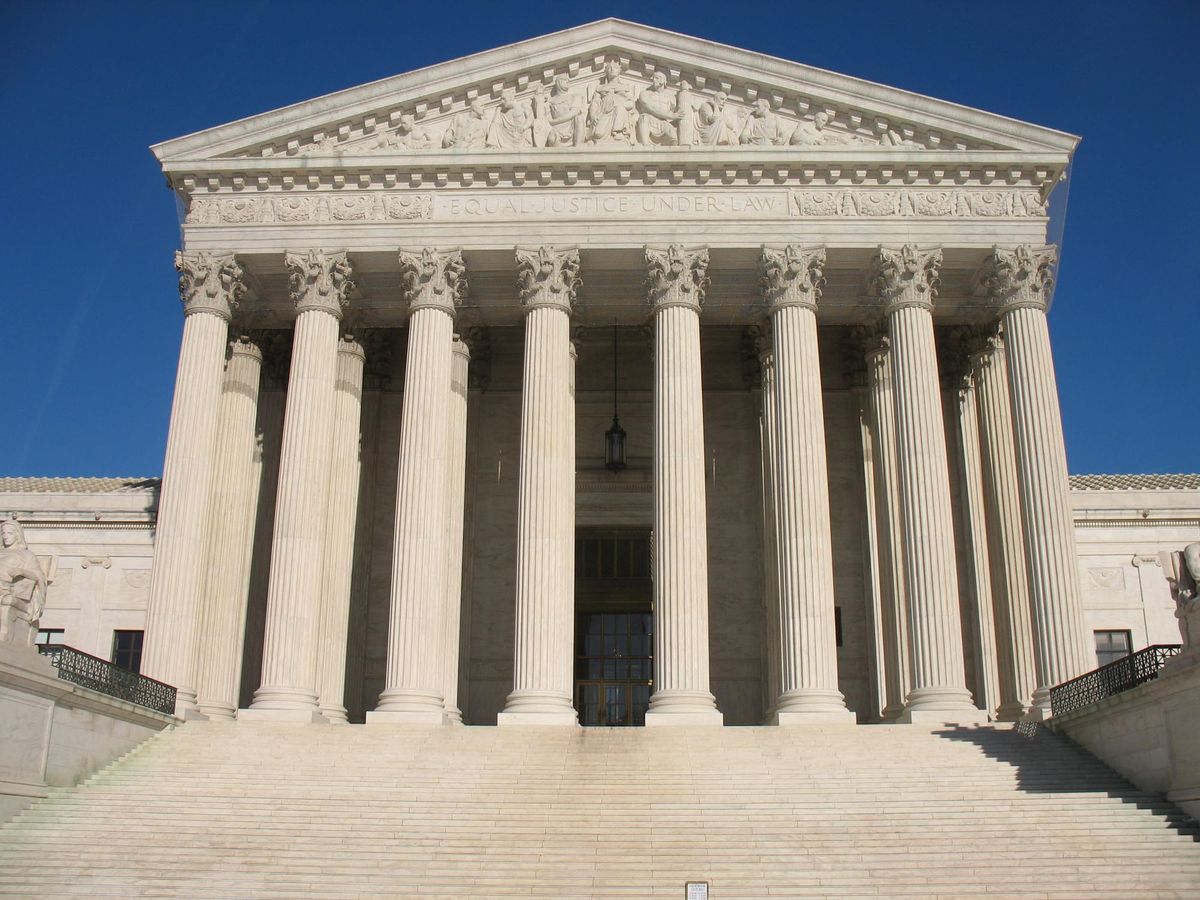
The Supreme Court released a string of major rulings this week as it closed out its term, touching presidential power, citizenship, and election law. The Court handed Trump a historic structural win on one front. On the other two, it left the rules governing who becomes American and how elections are decided exactly as they were.
Birthright Citizenship Survives, Loopholes Intact
In Trump v. Barbara, the Court ruled 6-3 that children born on U.S. soil to parents who are here illegally or merely passing through remain American citizens at birth, striking down the administration's executive order that sought to end the practice. Chief Justice John Roberts wrote the majority opinion, joined by Justices Sotomayor, Kagan, Amy Coney Barrett, and Jackson. A Trump appointee sided against the Trump administration on the single most consequential immigration case of the term. Justice Kavanaugh concurred separately on narrower statutory grounds. Justices Thomas, Alito, and Gorsuch dissented. "The Court has made a serious mistake," Alito wrote.
What that means in practice has not changed: a woman who crosses the border illegally, or a tourist visiting on a temporary visa, can give birth on American soil and her child instantly receives full U.S. citizenship, regardless of either parent's legal status or connection to the country. An estimated 250,000 babies born in the U.S. annually fall into this category. The administration argued the practice has functioned as an incentive for illegal immigration and birth tourism for decades. The Court disagreed, preserving the 128-year-old precedent set in United States v. Wong Kim Ark.
Mail-In Ballot Grace Periods Survive Too
In a 5-4 decision in Watson v. RNC, the Court sided against Republicans and upheld a Mississippi law allowing mail-in ballots to be counted if postmarked by Election Day but received up to five business days later. Justice Amy Coney Barrett wrote the majority opinion herself, joined by Roberts and the Court's three Democratic-appointed justices. Barrett, appointed by Trump in 2020, sided against the very legal challenge Republicans brought to overturn the law. Justice Alito dissented, joined in full by Thomas and Gorsuch, with Kavanaugh joining most of the dissent.
The ruling preserves similar grace-period laws in 14 states and the District of Columbia heading into the 2026 midterms. President Trump called it a "tremendous loss" on Truth Social and renewed his push for Congress to pass the SAVE America Act, which would require photo ID and proof of citizenship for voting while largely eliminating mail-in balloting outside narrow exceptions.
Presidents Get Sweeping New Power to Fire Agency Heads
In Trump v. Slaughter, the Court ruled 6-3 along ideological lines that the president may fire Federal Trade Commission commissioners without cause, overturning the 91-year-old precedent set in Humphrey's Executor v. United States. Roberts wrote the majority opinion, joined by all five other conservative justices, including Barrett. Justice Gorsuch added a concurrence declaring "independent agencies are not so independent after all." Justice Sotomayor dissented, joined by Kagan and Jackson.
The ruling effectively ends for-cause removal protections across dozens of independent agencies, including the National Labor Relations Board and the Merit Systems Protection Board, turning agency commissioners into at-will employees who serve at the pleasure of whoever occupies the Oval Office. For decades, unelected commissioners at federal agencies have operated with virtual immunity from the people who actually answer to voters, hiding behind "independence" while shaping policy no one elected them to make. The Slaughter ruling ends that fiction. The president now has the authority the Constitution always intended him to have over the executive branch he runs.
Federal Reserve Independence Holds, For Now
The Court also ruled 5-4 to block Trump's attempt to immediately remove Federal Reserve Governor Lisa Cook, with the Court's three liberal justices joining Roberts and Kavanaugh in the majority. Barrett broke from that majority. Roberts explicitly distinguished the Fed from other independent agencies due to its unique structure and history. The decision does not resolve whether Trump can ultimately fire Cook, who faces allegations of mortgage fraud she denies; that question remains in litigation. For now, the Fed governor who has resisted the administration's economic agenda stays in her seat.



Comments ()