Before the First Bomb Fell, Special Forces Were Already Inside Iran. This Is What They Did.
Delta Force and SEAL Team operators conducted covert ground missions in the days before the air campaign began
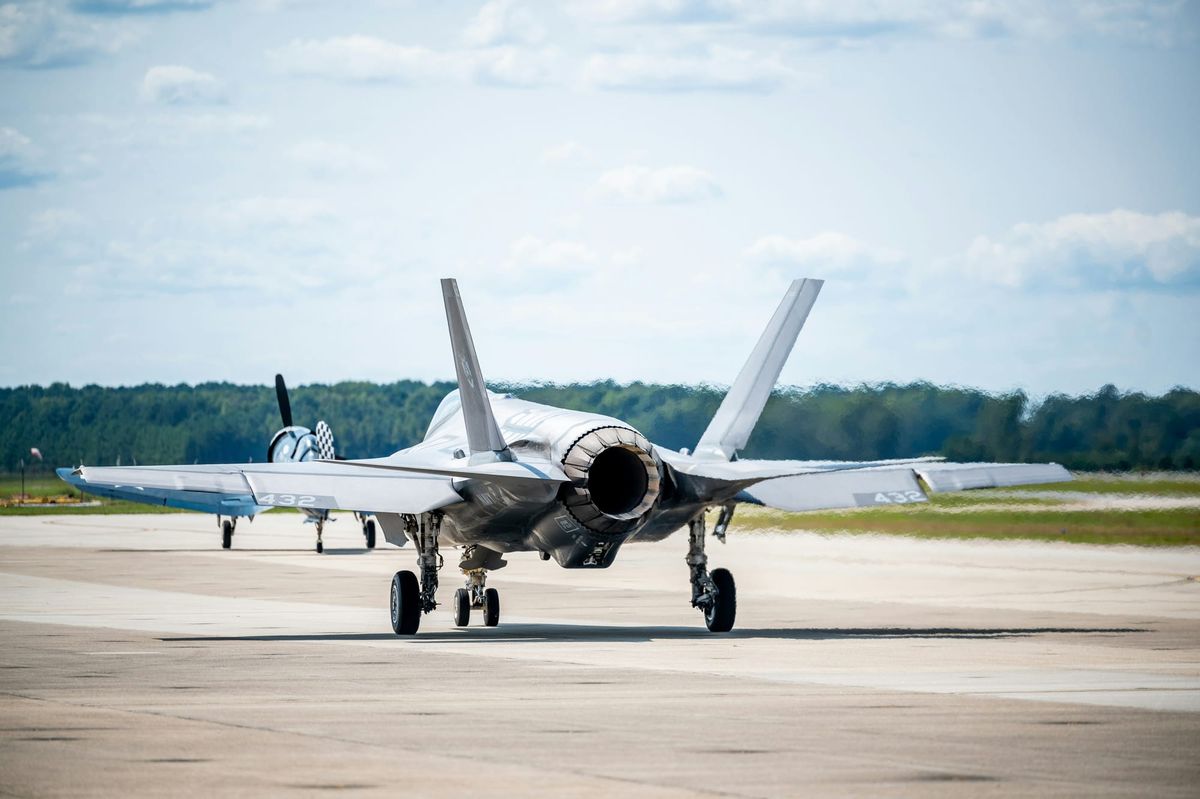
The air campaign that destroyed Iran's nuclear program did not begin with the first B-2 bomber crossing into Iranian airspace. It began, according to multiple defense officials speaking on condition of anonymity, three days earlier, when small teams of American special operations forces quietly infiltrated the Islamic Republic through routes the Pentagon has declined to specify. Their mission was to prepare the battlefield, and the success of Operation Resolute Shield depended entirely on their courage and skill.
Silent Entry Into Enemy Territory
In the 72 hours before the air campaign commenced, elite teams drawn primarily from Delta Force and the Naval Special Warfare Development Group—better known as SEAL Team Six—conducted a series of clandestine operations essential to the success of the coming strikes. These operators, representing the most highly trained and capable special forces in the world, moved through Iranian territory like ghosts, evading detection while accomplishing objectives that would have been impossible for conventional forces.
The insertion methods remain classified, but defense analysts believe teams likely entered Iran through multiple vectors—possibly including HALO (High Altitude Low Opening) parachute drops from high-flying aircraft, covert border crossings from neighboring Iraq or Afghanistan, and submarine-launched infiltration along the Persian Gulf coast. Whatever the methods, the teams made it to their objectives undetected, a testament to years of planning and rehearsal.
These operators carried specialized equipment including advanced communications gear, laser target designators, and the latest in night vision and thermal imaging technology. They traveled light, knowing that resupply would be impossible and extraction uncertain. Every man on these teams understood that if things went wrong, they would be on their own deep inside enemy territory.
The Scientist Extraction: Intelligence Gold
Among the most critical missions conducted was the extraction of a senior Iranian nuclear scientist who had been secretly cooperating with U.S. intelligence for more than two years. The scientist, whose identity remains classified for his protection, provided information of incalculable value about the layout, construction, and defensive hardening of Iran's most sensitive nuclear facilities.
His intelligence proved especially crucial regarding the Fordow enrichment facility, buried deep inside a mountain near Qom. Western intelligence agencies had long struggled to understand exactly how deep the facility extended and how its chambers were configured. The scientist's detailed knowledge allowed American planners to calculate precisely where the GBU-57 Massive Ordnance Penetrator bombs needed to strike to collapse the facility's infrastructure.
The extraction itself required extraordinary precision. The scientist was moved through a series of safe houses before being brought to a remote location where special operations teams rendezvoused with him in the dead of night. Within hours, he was out of Iran and in American custody, leaving behind a life and a family but ensuring his survival and the destruction of a program he had come to view as an existential threat to the region.
Blinding Iran's Defenses
While the scientist extraction was the intelligence crown jewel, the special operations teams conducted equally vital direct action missions in the hours before the air campaign began. Their primary objective was neutralizing a network of Iranian air defense radar installations that would have detected incoming American aircraft and alerted the integrated air defense system.
Iran had spent billions acquiring and deploying Russian-made S-300 air defense systems, supplemented by indigenous systems developed after years of sanctions-driven innovation. These systems posed a genuine threat to American aircraft, even stealthy B-2 bombers and F-22 Raptors. By eliminating key nodes in the radar network, special operations teams created corridors of darkness through which the air armada could approach its targets undetected.
The attacks on radar installations were conducted with surgical precision. Some were destroyed with explosives; others were disabled through cyber attacks coordinated with the operators on the ground. In several cases, teams reportedly eliminated Iranian military personnel manning the installations before they could transmit warnings. By the time Iranian air defenders realized they were under attack, the first bombs were already falling on their nuclear facilities.
Operating in the Shadows
The operations required extraordinary courage and professionalism. Teams operated in small numbers—often just six to twelve operators—deep inside a hostile country with limited ability to call for support if things went wrong. The nearest friendly forces were hundreds of miles away, and the Iranian security apparatus was actively hunting for any sign of American activity.
Several operators were reportedly injured during the missions, though the Pentagon has declined to confirm any casualties or provide details. What is known is that every team successfully completed its assigned objectives and was extracted before the air campaign concluded. No Americans were left behind, and no operator fell into Iranian hands—a remarkable achievement given the scope and danger of the operations.
These men represent the tip of the spear of American military power. Their identities will likely never be known publicly. They will receive no parades, no magazine covers, no interviews. They will return to training and preparation for the next mission, wherever in the world American interests demand their unique capabilities.
The Years of Preparation
The success of the special operations component of Operation Resolute Shield reflects decades of investment in training, equipment, and intelligence that has made the U.S. special operations community the most capable in the world. These forces train constantly, often in conditions designed to replicate the exact environments they will face in combat. They maintain relationships with intelligence services around the globe, building the human networks that made operations like the scientist extraction possible.
The Pentagon has declined to provide further details about the special operations conducted inside Iran, citing the need to protect sources, methods, and the operators themselves. What can be said is this: before the first bomb fell, American soldiers were already inside Iran, doing the dangerous work that made victory possible. Their contribution to Operation Resolute Shield may never be fully known, but it was indispensable.
Comments ()