Qatar Spent $65 Million to Shape American Education, New Report Alleges
Qatar has reportedly spent $65 million over 17 years shaping American classrooms through a foundation a new report calls a vehicle for foreign soft power – and some in Congress want answers.
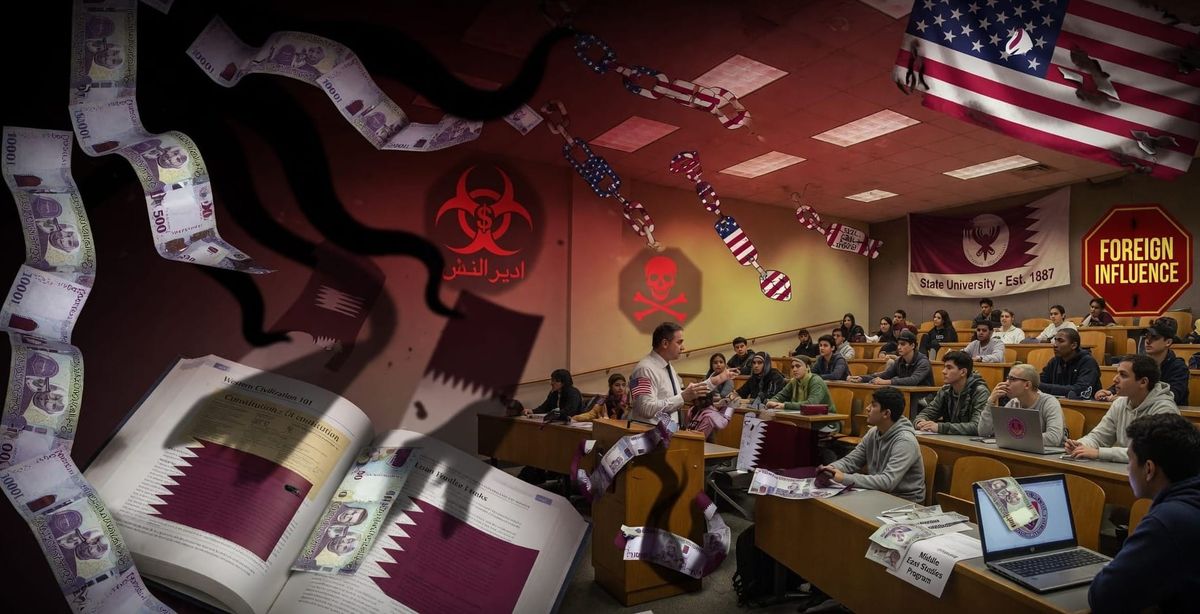
A new ISGAP report calls for a federal investigation into Qatar Foundation International's influence over K-12 schools, universities, and teacher training programs across the United States.
Qatar has reportedly funneled more than $65 million over the past 17 years into American education through Qatar Foundation International, targeting K-12 schools, universities, teacher training programs, and national education networks, according to a new report from the Institute for the Study of Global Antisemitism and Policy.
What the Report Alleges
The 54-page report, titled "Institutional Capture: Qatar Foundation International and the Use of Soft Power to Reshape Education in the United States," alleges that QFI's activities extend well beyond promoting Arabic language education, its publicly stated mission. According to ISGAP, the organization has systematically worked to shape curricula in social studies, science, technology, arts, and mathematics while advancing narratives favorable to Qatar's geopolitical interests.
Among the specific allegations: QFI reportedly infiltrated federally funded Middle East National Resource Centers, manipulated teacher training and professional development programs, directly influenced lesson plans, and used host organizations to obscure the source and extent of its funding and influence.
Calls for Investigation
ISGAP is calling for a federal investigation into QFI's activities and urging greater transparency from U.S. institutions receiving foreign funding. Some members of Congress have reportedly expressed interest in examining the report's conclusions.
The Broader Context
The allegations arrive amid heightened scrutiny of foreign funding in American higher education. Qatar is among the largest foreign donors to U.S. universities, and questions about the conditions attached to that funding have drawn bipartisan concern on Capitol Hill in recent years. The ISGAP report shifts attention further down the educational pipeline, arguing that influence efforts targeting K-12 students and teacher training programs represent a longer-term and largely unscrutinized form of foreign soft power.

Comments ()