Pope Leo XIV Told Trump the Iran War Was Wrong. Trump Called Him a Radical. American Catholics Are Caught in the Middle.
The first American pope and the American president are in open conflict, and the 70 million Catholics who voted in 2024 are being asked to choose sides
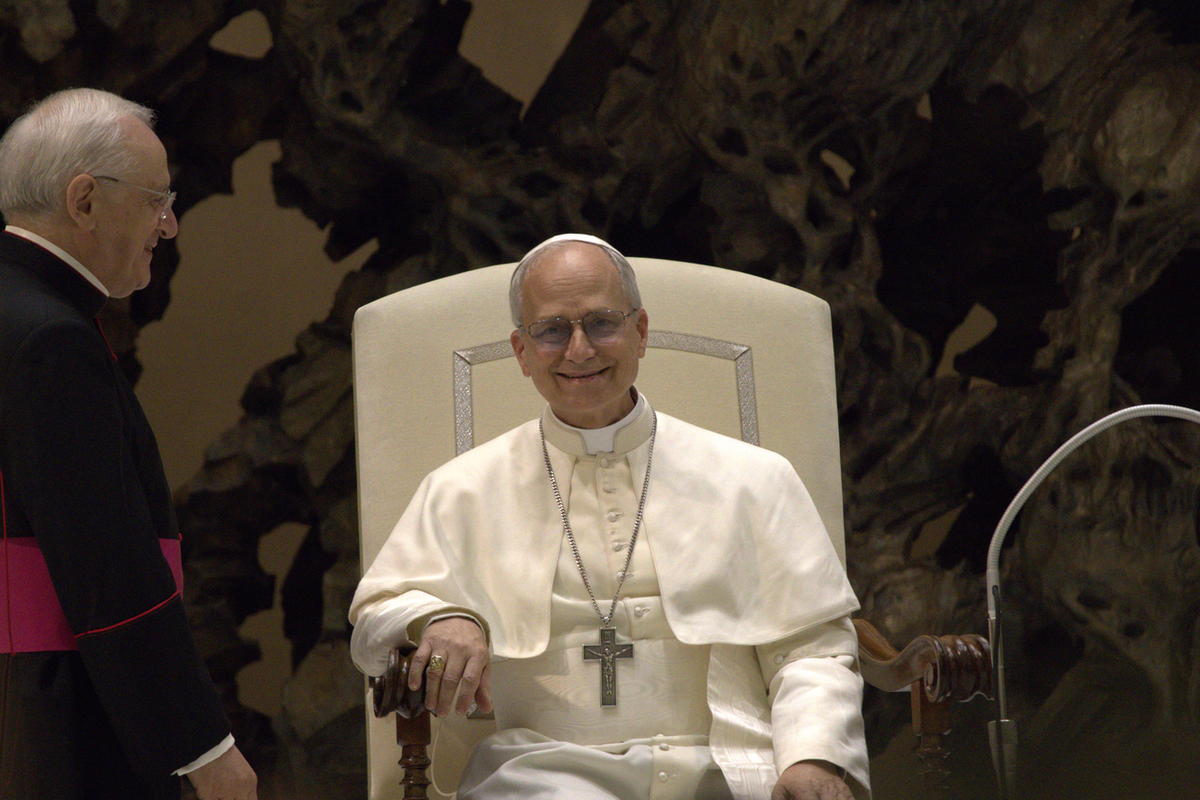
Pope Leo XIV, the first American-born pontiff in Church history, has publicly condemned U.S. military strikes on Iran, triggering an unusually sharp public confrontation with President Donald Trump and forcing many of the estimated 70 million U.S. Catholics to navigate a divide between their faith leader and their president.
The Papal Position
In multiple statements following U.S. and Israeli strikes on Iranian targets in early 2026, Leo XIV called for an immediate ceasefire, urged diplomatic engagement with Tehran, and questioned whether the military operation satisfied the criteria of just war doctrine under Catholic moral teaching. He raised specific concerns about civilian casualties, the proportionality of the strikes, and whether diplomatic alternatives had been exhausted.
The Chicago-born pope, formerly Cardinal Robert Francis Prevost, was elected on May 8, 2025, becoming the first American to hold the office. He has continued to press his position in subsequent statements, saying he has "no fear" of the Trump administration and will keep speaking out against the conflict.
Trump's Response
President Trump responded sharply, calling the pope "a radical who doesn't know what he's talking about" on Truth Social and suggesting Leo should "stick to religion and stay out of politics." Trump accused the pope of being influenced by European elites and argued that preventing Iranian nuclear proliferation was itself a moral imperative the Vatican failed to appreciate. The attacks were notably personal, referencing Leo's years living abroad as evidence that he had drifted from American values.
American Catholics Divided
The public feud has landed differently across the U.S. Catholic community. Polling conducted after the confrontation showed a majority of American Catholics expressing support for the pope's call for peace and diplomacy, while a significant minority backed the administration's position and argued the pope had overstepped into political territory. The split reflects broader tensions within American Catholicism between its national identity and its universal religious obligations — a tension that previous papal clashes with Washington rarely forced into the open so directly.
Conservative Catholics who have long emphasized deference to papal authority find themselves at odds with a pope who disagrees with their foreign policy views. Progressive Catholics who have sometimes pushed back against Rome find themselves more aligned with the pontiff than usual. The conflict has scrambled familiar fault lines within the American Church.
A Defining Moment
The confrontation between Leo XIV and Trump has raised a question American Catholics have long been able to avoid: when the pope speaks on matters of war and peace, does that carry the weight of religious obligation or represent the political preferences of an institution? Most Catholics understand that ordinary papal statements command respect but not the absolute obedience reserved for infallible pronouncements — a distinction that has now moved from theological abstraction to lived political reality for millions of Americans.
Leo XIV has indicated he intends to keep speaking out regardless of the diplomatic fallout, framing his role as moral witness rather than political actor.
Comments ()