Trump's Ceasefire Gambit: What's Actually in the Iran Deal and Whether It Will Hold
After Operation Resolute Shield obliterated Iran's nuclear program, Washington and Tehran are close to a 60-day framework agreement. The details reveal both the strength of the American position and the gaps that remain.
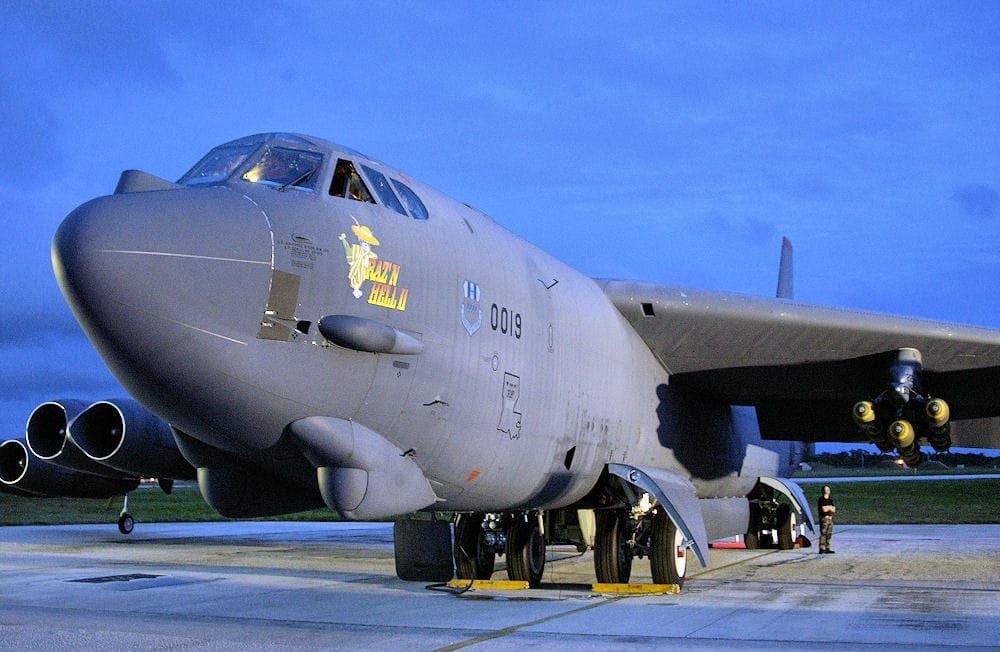
Following Operation Epic Fury's swift dismantling of Iran's nuclear program, the Trump administration has secured a ceasefire framework that reopens global shipping lanes and opens the door to lasting denuclearization.
The Trump administration has reached a significant ceasefire framework with Iran following the successful execution of Operation Epic Fury, which degraded Iran's nuclear capabilities and military infrastructure in early 2026 and forced Tehran to the negotiating table.
What the Deal Delivers
The framework's most immediate win is the reopening of the Strait of Hormuz. Iran has agreed to allow unrestricted commercial shipping through the critical waterway, ending disruptions that threatened global energy markets and restoring billions in trade flows that had been imperiled by the conflict.
On nuclear issues, Iran has pledged to halt further weapons development and engage in negotiations for long-term enrichment limits, backed by enhanced international inspections that go beyond what previous agreements required. The White House has described the outcome as a direct result of President Trump's clear and unchanging objectives throughout the operation.
Phased sanctions relief tied strictly to Iranian compliance is also part of the framework, including humanitarian trade access and potential unfreezing of assets. Relief is reversible and conditioned on verifiable Iranian behavior.
The Administration's View
White House Press Secretary Karoline Leavitt emphasized that "the greatest fighting force the world has ever known" achieved its objectives with precision, forcing Iran into a fundamentally weakened negotiating position.
Secretary of Defense Pete Hegseth praised the operation as a continuation of President Trump's record of strength against Iran, from the 2020 Soleimani strike to the dismantling of Iran's nuclear infrastructure in 2026.
Trump has described the approach as "peace through strength": decisive military action first, diplomacy from a position of dominance second. The sequence, administration officials argue, is what previous administrations had backwards.
Regional Momentum
The ceasefire has already produced diplomatic momentum beyond the bilateral U.S.-Iran dynamic. Saudi Arabia and Gulf states have accelerated security cooperation discussions with Israel, viewing the reduced Iranian threat as a historic opening. Full Saudi-Israeli normalization, stalled for years over Palestinian issues and Iranian capabilities, is now back on the table.
What Remains to Be Settled
Reuters reports that negotiators are working toward a 60-day extension of the initial ceasefire, with broader nuclear limits and proxy restraint still to be finalized. An Axios report indicates a memorandum of understanding is under active discussion, with Trump's final sign-off pending.
Iran's proxy network, including Hezbollah, the Houthis, and Shia militias in Iraq and Syria, remains a key test of Tehran's commitment. The administration has made clear that sanctions relief will not advance without verifiable compliance on both nuclear and proxy fronts.
Comments ()