Veterans Are Weeping Watching the Iran Strikes. 'This Is What We Trained For.'
Across America, those who served in the Middle East are reacting with pride, tears and a sense of vindication
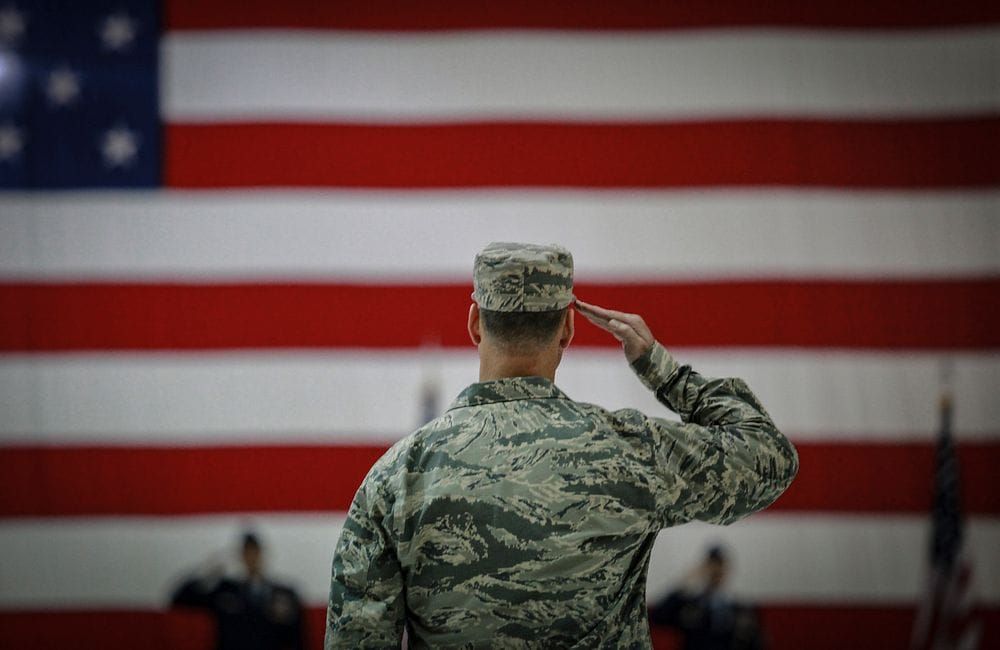
At the American Legion post in Zanesville, Ohio, the television above the bar has been tuned to the news for three days straight. The men and women gathered there—veterans of Iraq, Afghanistan, and a dozen smaller conflicts most Americans never heard about—have barely spoken. They have watched the footage of strikes on Iranian nuclear facilities, listened to Pentagon briefings, and some have wept. For these veterans, Operation Resolute Shield touches something profound: a sense that the years of sacrifice, the endless deployments, the injuries, and the friends who never came home were not in vain.
A Generation's Vindication
The reaction among America's veteran community has been one of overwhelming pride mixed with complex emotions that only those who have served in combat can fully understand. Many of these men and women spent years preparing for exactly this kind of operation—training for a conflict with Iran that always seemed to be looming on the horizon but never quite arrived.
'We trained for this,' said Marcus Wheeler, a retired Army sergeant who served three tours in Iraq between 2005 and 2011. 'Every time we went out on patrol, every time we lost somebody to an Iranian-supplied IED, we knew this day might come. Watching it finally happen... it's hard to put into words.' Wheeler's voice broke as he spoke, his eyes fixed on the television showing aerial footage of destroyed Iranian facilities.
The Iranian threat was never abstract for veterans of the Iraq War. Iran armed, trained, and directed militias that killed hundreds of American service members. Iranian-manufactured explosively formed penetrators—sophisticated roadside bombs capable of defeating armored vehicles—became one of the deadliest threats American troops faced. For years, veterans have watched as Iran escaped accountability for American blood spilled on Iraqi soil. That account, many feel, has finally been settled.
Active Duty Reactions
Active-duty service members have been more circumspect in their public comments, as military regulations require. Officers and enlisted personnel are prohibited from making political statements or expressing opinions about ongoing operations. But on bases from Fort Liberty (formerly Fort Bragg) to Camp Pendleton, from Lackland Air Force Base to Naval Station Norfolk, the mood is unmistakable: quiet satisfaction and professional pride.
'The mission was executed. It was executed right,' said one Air Force officer who requested anonymity because he was not authorized to speak to the press. 'Years of training, years of planning, years of intelligence work—it all came together perfectly. That's what we do. That's why we serve.' The precision of the operation, achieved with minimal American casualties and carefully limited collateral damage, represents everything the modern American military strives to accomplish.
Across the armed forces, service members watched with particular attention to the performance of their respective branches. Navy personnel followed reports of carrier strike group operations in the Gulf. Air Force members tracked the performance of B-2 bombers and F-35 fighters. Army and Marine veterans traced the special operations missions that preceded the air campaign. Each branch contributed to the success, and each can claim a share of the victory.
Military Families: Terror and Relief
Behind every service member who participated in Operation Resolute Shield stands a family that endured the terror of waiting. Military spouses, parents, and children experienced the operation not through television coverage but through agonizing silence—the absence of phone calls, the uncertainty of not knowing whether their loved one was safe or in danger.
'I didn't sleep for three days,' said Jennifer Rosario, whose husband serves as a pilot in the Air Force. 'We're not supposed to know operational details, but when you see the news... you know. You know he might be up there.' When word finally came that all aircraft had returned safely, Jennifer broke down sobbing. 'I've never felt relief like that in my life.'
The military family support networks activated immediately when operations began. Chaplains, family readiness groups, and informal networks of military spouses provided comfort and information where possible. These families understand sacrifice in ways that civilians rarely appreciate—the missed birthdays, the holidays spent alone, the constant low-level anxiety that comes with loving someone who serves.
The Investment Vindicated
Operation Resolute Shield has reignited a broader national conversation about the value of America's military investment. The United States spends more on defense than the next ten countries combined—a fact that critics have long cited as evidence of misplaced priorities and excessive militarism. The operation's success provides a concrete, visible justification for that investment.
The precision-guided munitions that struck Iranian facilities cost millions of dollars each. The B-2 bombers that delivered them cost over $2 billion apiece. The training pipeline that produces special operators capable of conducting missions inside hostile territory takes years and costs fortunes. For decades, Americans have funded this capability through their taxes, often without seeing direct results. Now they have seen what their investment bought: the elimination of a nuclear threat that could have destabilized the entire Middle East.
For the veterans watching from their living rooms and Legion halls across America, the policy debates are secondary. What matters is something simpler and more profound: American service members went into harm's way, performed brilliantly under the most demanding conditions, and came home. The flag they served under was honored. The oath they swore was fulfilled. In Zanesville and in thousands of communities like it, that is enough.
A Moment of Unity
In an era of bitter political division, the veteran community has found a rare moment of unity. Whatever their politics, whatever their feelings about the current administration, veterans across the country have rallied around the men and women who executed Operation Resolute Shield. Social media filled with messages of pride and support. Veteran organizations issued statements of congratulations. For a brief moment, the old bonds of service transcended the divisions that have fractured so much of American life.
'We don't all agree on everything,' Wheeler said, finishing his beer at the Zanesville Legion post. 'But we all wore the uniform. We all know what it costs. And today, we're all proud of what those guys did over there.' He raised his glass toward the television, where footage of returning aircraft played on an endless loop. 'This is what we trained for. And they did it right.'
Comments ()