From Tel Aviv to Riyadh, America's Allies Are Breathing Again. The Iranian Nuclear Threat Is Gone.
The operation has transformed the regional security landscape overnight — and restored confidence in American deterrence
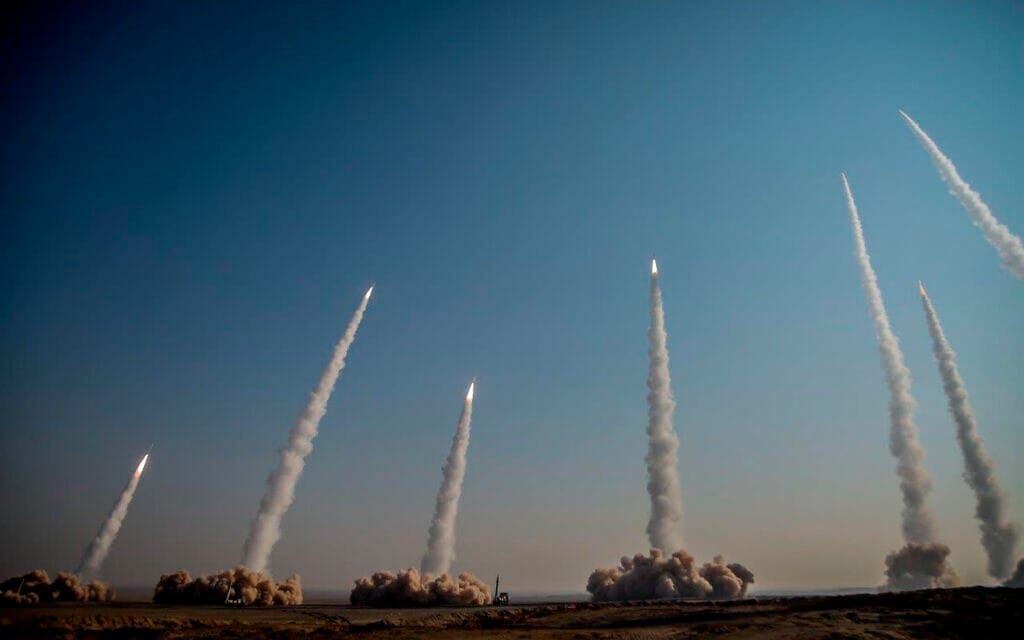
The operation has transformed the regional security landscape and restored confidence in American deterrence. The harder work of turning military success into lasting stability is just beginning.
The phone calls began within hours of the first strikes. From Jerusalem, Riyadh and Abu Dhabi, leaders who had spent years urging Washington to act decisively against Iran's nuclear program were reaching out to the White House with messages of support and, in several cases, barely concealed relief.
Operation Resolute Shield, executed over 72 hours in April 2026, targeted Iran's primary nuclear facilities including Natanz, Fordow and Isfahan, along with ballistic missile infrastructure and military command assets. Independent assessments describe the operation as having significantly degraded Iran's enrichment capacity and extended the timeline for any reconstitution of its weapons program by an estimated decade or more, though analysts note that questions remain about highly enriched uranium stockpiles and Iran's long-term reconstitution potential.
Israel
Israel, under Prime Minister Benjamin Netanyahu, had long viewed Iran's nuclear program as an existential threat. Israeli leadership welcomed the degradation of Iranian capabilities, with public statements emphasizing improved security margins and relief that years of warnings about Iranian nuclear ambitions had finally prompted decisive action. The Israeli Defense Forces placed their forces on a lower alert level in the days following the operation, a practical signal of the changed threat environment.
Gulf States Reassess
In Riyadh, Saudi Arabia and other Gulf Cooperation Council nations had long feared that a nuclear-armed Iran would permanently tip the regional balance of power. Post-operation, Saudi and GCC leaders signaled cautious optimism, with statements from Riyadh highlighting opportunities to advance economic initiatives like Vision 2030 with reduced nuclear overhang. The sentiment was measured rather than triumphant -- regional leaders are well aware that Iran's conventional military capabilities and proxy networks in Lebanon, Iraq, Syria and Yemen remain intact.
A Fragile Framework for Peace
The path to a sustainable settlement remains contested. Ceasefire negotiations are ongoing, with Iran seeking sanctions relief and assurances against future military action while the United States and its allies press for verifiable limits on enrichment and a halt to regional destabilization activities. Iran's economy, already under severe strain from sanctions and the damage sustained in the operation, creates pressure on Tehran to reach an agreement. Whether that pressure produces genuine compliance or tactical maneuvering is the central question of the diplomatic process now underway.
Iran's foreign ministry has called for a new era of diplomacy and urged global powers to engage constructively. The credibility of that call will be measured against Iran's actions in the coming months, not its statements.
An Uncertain Future
Analysts broadly caution against complacency. The operation has extended Iran's nuclear timeline and removed the most acute dimension of the immediate threat. It has not resolved the underlying tensions that have destabilized the Middle East for decades. Iran's proxy militias remain active. Its ballistic missile program, while degraded, has not been eliminated. The potential for renewed escalation or a regional arms race as neighboring states reassess their own defense postures is real.
What the operation has done is create a window. Whether that window produces a durable regional security architecture or simply a pause before the next confrontation will depend on decisions made in Washington, Tehran and the capitals between them in the months ahead. America's allies may be breathing easier today. The journey toward comprehensive stability is far from over.
Comments ()