Iran's Nuclear Dream Is Dead. The Satellite Images Prove It, and the Setback Will Last 15 Years.
Independent analysis confirms the near-total destruction of Iran's enrichment capability
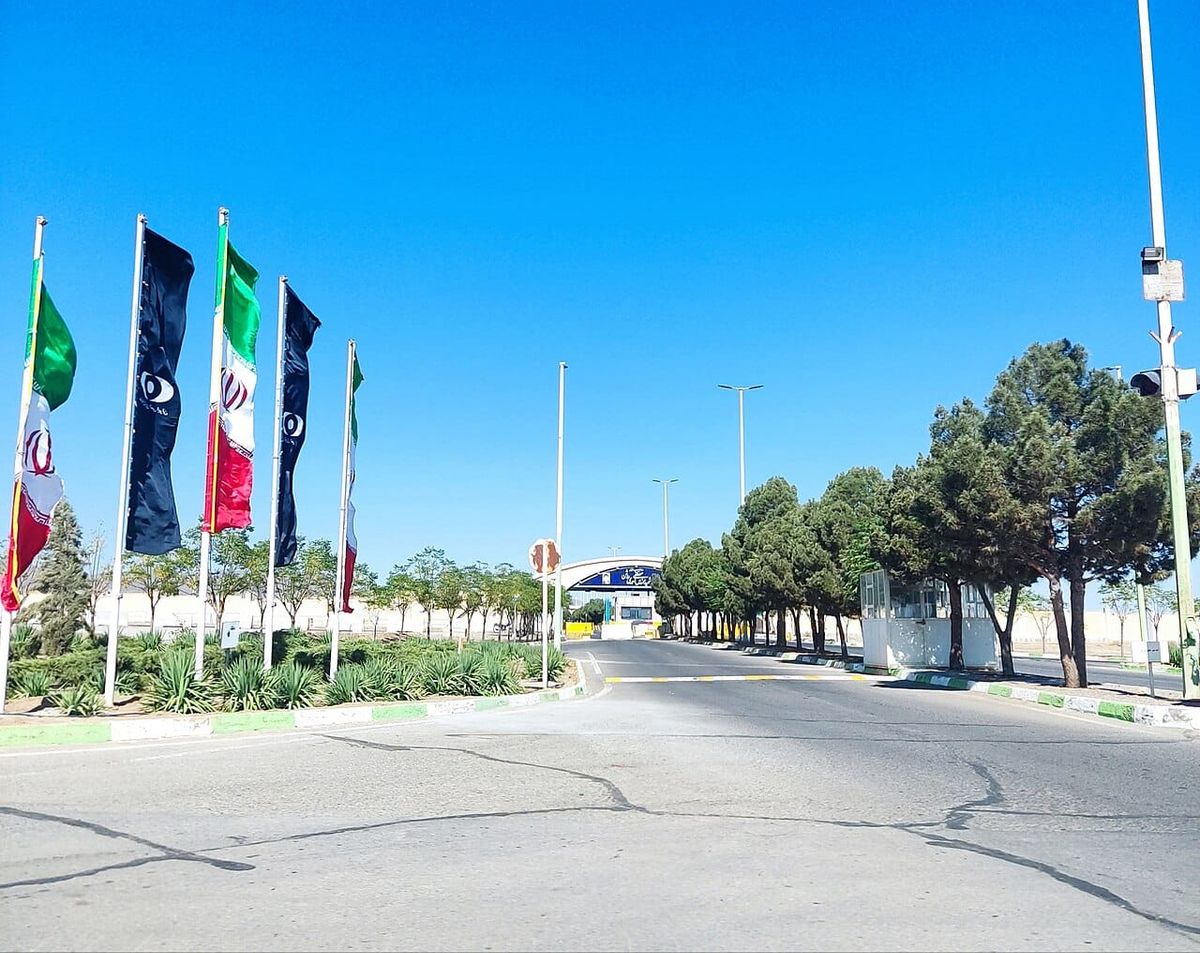
The images tell a stark and undeniable story. Where the Natanz enrichment facility once sprawled across the Iranian desert—a complex of above-ground buildings and deeply buried centrifuge halls that had taken over a decade to construct—there is now a field of rubble and scorched earth. Independent analysis of commercial satellite imagery by the Middlebury Institute of International Studies and the Federation of American Scientists confirms what U.S. officials have stated since the strikes concluded: Iran's nuclear weapons program has been effectively destroyed, and the setback will last at minimum ten to fifteen years.
The Evidence Is Unmistakable
High-resolution satellite imagery captured in the days following Operation Resolute Shield reveals the systematic destruction that American forces achieved. At Natanz, the primary enrichment facility that had been the crown jewel of Iran's nuclear ambitions, massive craters now mark where centrifuge halls once operated around the clock. The distinctive cooling towers that once vented heat from thousands of spinning centrifuges have been reduced to twisted metal. Underground facilities that Iran believed were invulnerable to attack have been collapsed by American bunker-busting munitions.
The Fordow facility, carved into a mountain near the holy city of Qom, shows similar devastation. Tunnel entrances have been sealed by explosive debris, and thermal imaging suggests catastrophic damage to the internal infrastructure. Isfahan's uranium conversion plant, where yellowcake was processed into uranium hexafluoride gas for enrichment, is now a blackened wasteland. The physical infrastructure that took Iran decades to build and billions to finance is simply gone.
A Decade of Work, Destroyed in 72 Hours
The scope of the destruction defies what many analysts believed possible through airstrikes alone. The operation destroyed all six of Iran's known uranium enrichment facilities, three heavy water production plants essential for plutonium production, and an estimated 70% of the country's ballistic missile production capacity. Perhaps most significantly, the strikes also targeted the command and control infrastructure of the Islamic Revolutionary Guard Corps, degrading Iran's ability to coordinate any military response.
The centrifuges are gone – thousands of advanced IR-6 and IR-8 machines that had been spinning uranium to ever-higher enrichment levels. The specialized equipment that took years to procure through complex sanctions-busting networks has been vaporized. The scientists and engineers who operated these facilities have been scattered, many reportedly fleeing the country in the strike's aftermath. The institutional knowledge that made Iran's program so dangerous cannot be easily reconstituted.
Intelligence analysts estimate that Iran had accumulated enough enriched uranium to produce several nuclear warheads and was within months of weapons-grade capability. That stockpile has been dispersed and neutralized. The threat that had kept Israeli and Saudi defense planners awake at night has been eliminated in a single, devastating operation.
Rebuilding Will Be Nearly Impossible
Iran's supreme leader, Ayatollah Ali Khamenei, appeared on state television in the days following the strikes to declare that Iran would rebuild and emerge stronger than before. His defiant rhetoric, however, masks a devastating practical reality. The obstacles to reconstituting the nuclear program are enormous, and the international community's appetite for allowing Iran to try is essentially zero.
The specialized equipment required for uranium enrichment is subject to intense international sanctions and scrutiny. That includes maraging steel, a high-strength alloy used in centrifuge rotors, along with carbon fiber, precision bearings, and sophisticated electronics. Iran spent years developing covert procurement networks to acquire these materials, but those networks have been exposed and largely dismantled. Any attempt to rebuild would face immediate detection and interdiction.
Furthermore, the human capital Iran requires may no longer be available. Many of the nation's top nuclear scientists have been eliminated through targeted operations over the past decade, and the strikes likely killed additional technical personnel. Training new experts capable of operating an advanced enrichment program takes years, and any such program would now be under constant surveillance by Western intelligence agencies.
Regional Power Dynamics Forever Changed
The strikes have fundamentally altered the balance of power in the Middle East. For decades, Iran used its nuclear ambitions as leverage, extracting concessions from the West while building an empire of proxy militias from Lebanon to Yemen. That leverage has evaporated. Iran's regional adversaries no longer need fear a nuclear-armed Tehran, and the calculus of confrontation has shifted decisively against the Islamic Republic.
Saudi Arabia, the United Arab Emirates, and Israel have all signaled their strong support for the American operation. These nations, which have lived under the shadow of Iranian nuclear threats for years, view the strikes as removing an existential danger to their security. The long-discussed normalization between Israel and Saudi Arabia now seems more likely than ever, as the Iranian threat that complicated such agreements has been neutralized.
Russia and China, though publicly critical of the strikes, have stopped well short of threatening any concrete response. Their condemnations have been perfunctory, and neither nation appears willing to jeopardize its relationship with the United States over Iran's destroyed ambitions. The message to other would-be proliferators, like North Korea, in particular, is unmistakable: the United States will act decisively when its red lines are crossed, and no underground bunker is deep enough to guarantee safety.
What Comes Next
Iran now faces a choice. It can continue its belligerent rhetoric and face deepening isolation, or it can accept the new reality and pursue a different path. The Biden administration has signaled openness to negotiations on a comprehensive agreement that would normalize relations in exchange for verified, permanent abandonment of nuclear weapons ambitions. Whether Iran's hardline leadership can accept such terms remains to be seen.
What is certain is that the Iranian nuclear threat, which dominated Middle Eastern security discussions for two decades, has been definitively addressed. The satellite images prove it. The craters and rubble where enrichment facilities once stood are monuments to American resolve and capability. Iran's nuclear dream is dead, and it will stay dead for a very long time.
Comments ()