The Vatican Bank Has Been Caught Laundering Money Three Times. Nobody Has Gone to Prison. Why Not?
From the Vatican Bank to a sprawling global real estate scandal, the Catholic Church's financial governance remains a source of persistent betrayal
Here you go:
Vatican Bank Faces Repeated Money Laundering Allegations, Yet Few Convictions
VATICAN CITY — The Institute for the Works of Religion, commonly known as the Vatican Bank, has faced multiple allegations of facilitating money laundering over the past decade, prompting repeated reform pledges from Church leadership. Despite high-profile investigations by Italian authorities and international watchdogs, criminal convictions have been rare — raising persistent questions about accountability at one of the world's most secretive financial institutions.
A Pattern of Scandals
The bank's troubled history stretches back to the 1982 collapse of Italy's Banco Ambrosiano, a scandal tied to mafia connections and the mysterious death of banker Roberto Calvi, found hanging beneath London's Blackfriars Bridge. The Vatican paid $244 million to creditors while denying wrongdoing.
Italian prosecutors investigated the IOR again between 2010 and 2013 over suspected money laundering, freezing millions in accounts and prompting the resignation of senior officials. Monsignor Nunzio Scarano, a Vatican accountant with ties to the bank, was arrested on charges related to an alleged plot to smuggle €20 million in untaxed cash. He was later convicted on lesser charges but acquitted of the most serious counts.
Another wave of scrutiny followed in the late 2010s, including raids and internal reviews initiated under Pope Francis, who pledged to improve transparency and bring the bank into compliance with international standards.
As of 2026, questions about the institution's practices persist, with analysts and outside observers continuing to call for stronger oversight.
Limited Accountability
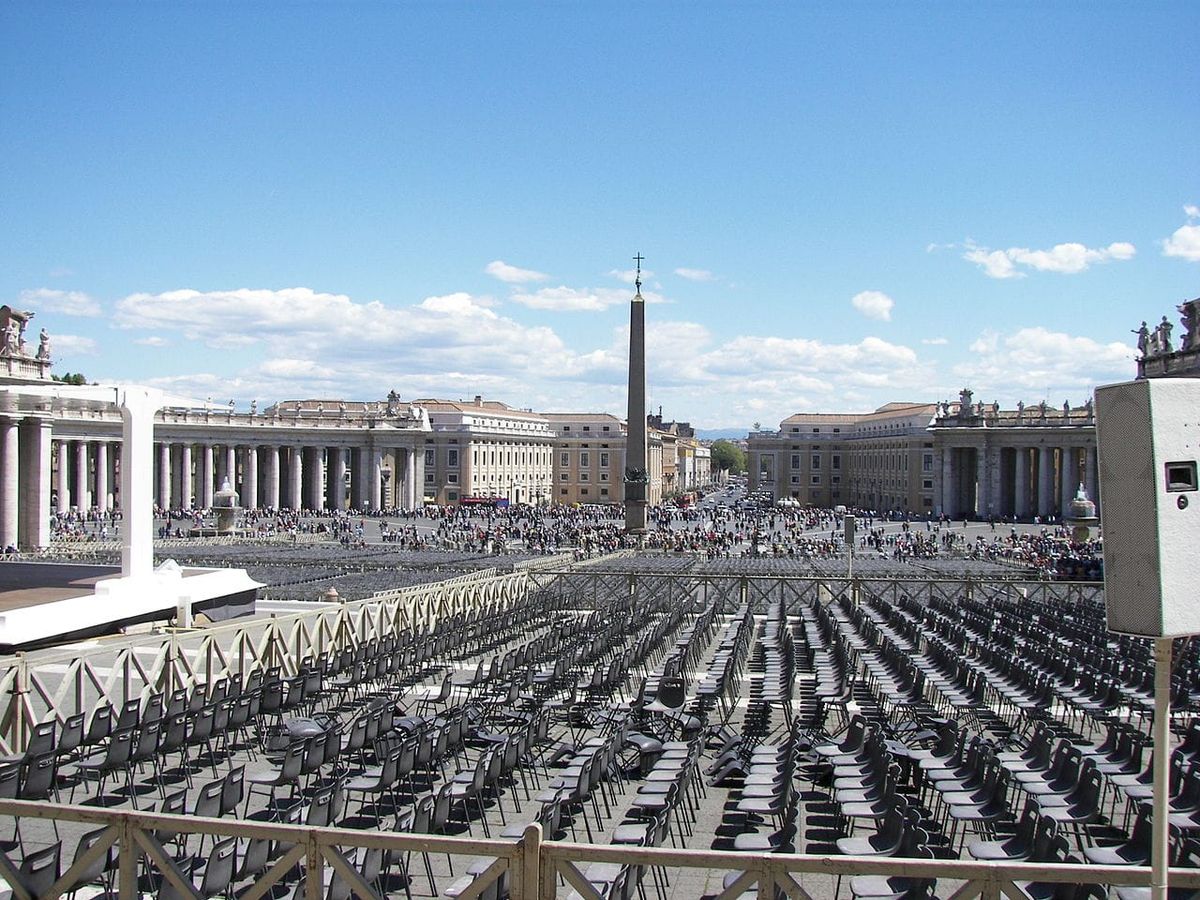
Few senior figures have faced significant prison time despite the repeated controversies. The Vatican's status as a sovereign city-state, established under the 1929 Lateran Treaty, shields many officials from external prosecution. Its internal judicial system operates with limited transparency, and sentences, where issued, have generally been lenient.
International evaluators, including Moneyval, the Council of Europe's anti-money laundering body, have issued mixed assessments, noting incremental improvements while flagging persistent concerns about implementation and enforcement.
Reforms and Skepticism
Following each controversy, the Vatican has announced new compliance measures and cooperation agreements with Italian authorities. Both Pope Francis and his successor, Pope Leo XIV, have publicly committed to institutional reform. Critics argue, however, that the bank's unique position — serving the Church while operating under sovereign protections unavailable to any commercial institution — continues to limit meaningful external accountability.
Church officials maintain that reforms are working, pointing to blocked suspicious accounts and improved transaction reporting. Skeptics counter that without independent oversight, the cycle of scandal followed by limited consequences is likely to continue.


Comments ()