600,000 Victims. One Institution. The Catholic Church Has Never Been Held Accountable. Why Not?
A landmark study estimates that more than 600,000 people have been sexually abused by Catholic clergy worldwide
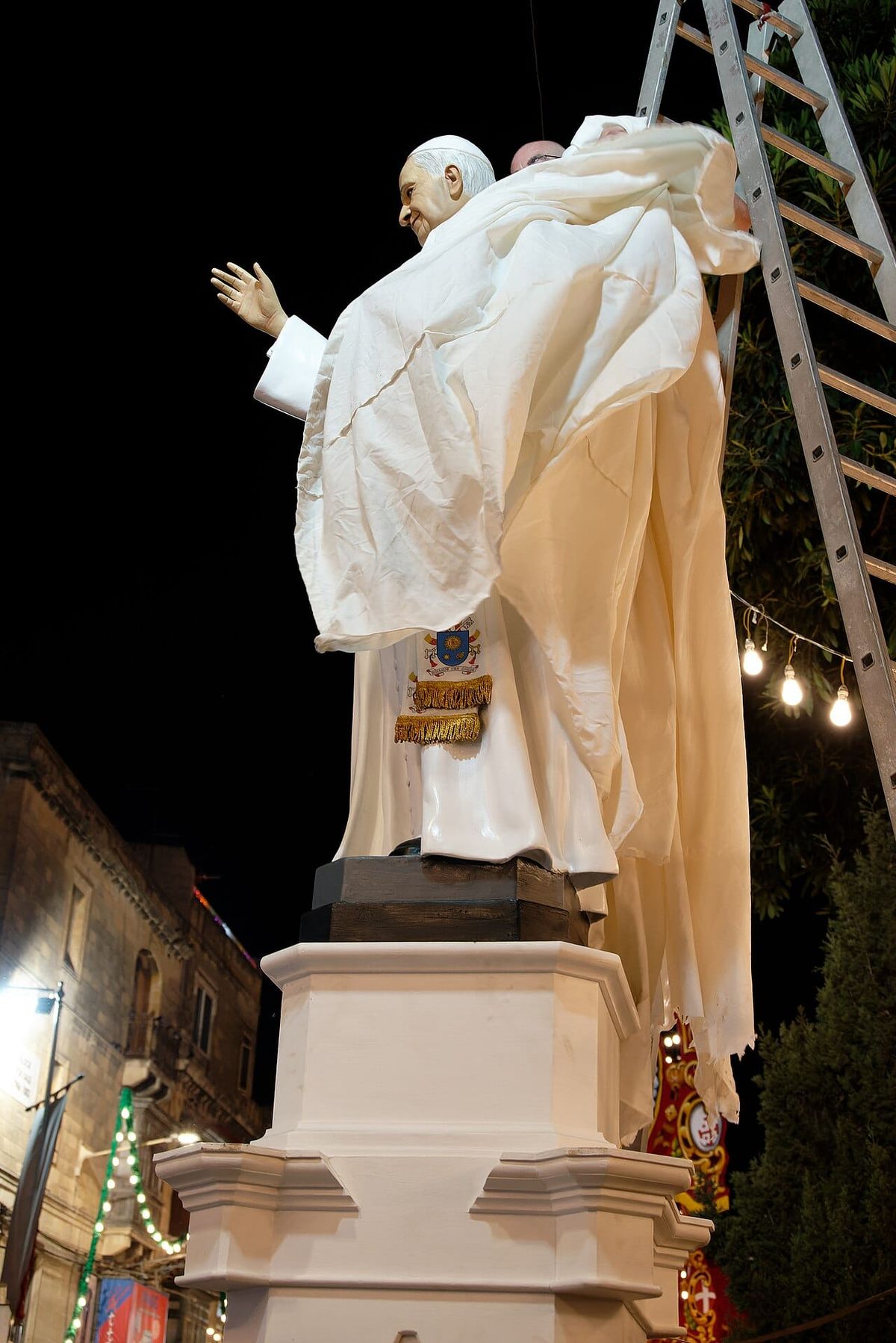
The Catholic Church has faced one of the largest institutional scandals in modern history. Investigations across multiple countries have documented widespread sexual abuse of children by clergy, followed by systematic concealment — raising enduring questions about whether the institution has ever been fully held to account.
The Scale of the Crisis
A landmark 2021 independent commission in France estimated that approximately 216,000 children were sexually abused by priests and religious orders between 1950 and 2020, with the total rising to roughly 330,000 when including abuse by lay Church members. Similar findings have emerged in the United States, Australia, Ireland, and Germany.
In the U.S., the Boston Globe's 2002 Spotlight investigation exposed systematic abuse and concealment in the Archdiocese of Boston, leading to the resignation of Cardinal Bernard Law. Subsequent grand jury reports in Pennsylvania and other states documented thousands of additional victims and named hundreds of accused priests whose cases had been quietly buried.
A Recurring Pattern
Investigators across jurisdictions have documented a consistent institutional response: abuse by clergy, followed by reassignment of accused priests, pressure on victims to stay silent, and prioritization of the Church's reputation over victim welfare. Critics argue this pattern reflects a deeply embedded culture of clericalism — deference to clerical authority that shielded perpetrators from consequences for decades.
Barriers to Accountability
The Church's unique legal status complicates external prosecution. Vatican City's sovereignty, established under the 1929 Lateran Treaty, limits the reach of foreign courts and law enforcement. Many cases have resulted in civil settlements — billions of dollars paid globally — often accompanied by non-disclosure agreements that restricted victims from speaking publicly. Criminal convictions of senior Church officials have remained rare.
Statutes of limitations have blocked many victims from pursuing legal action, though several U.S. states and other countries have passed legislation extending or eliminating those windows in recent years.
Reforms and Their Limits
Pope Francis introduced the Vos estis lux mundi reform framework in 2019, establishing new reporting requirements for abuse allegations and holding bishops accountable for cover-ups. Some officials have been removed. The Vatican has also increased cooperation with civil authorities in select cases.
Survivors' advocates argue the changes, while meaningful on paper, remain inconsistently enforced and fall short of the structural overhaul needed. The absence of a fully independent external oversight body — one with real authority rather than advisory status — remains a central criticism.
Catholics and outside observers continue to call for full cooperation with civil investigations, unrestricted access to Church archives, and the removal of any remaining legal protections that shield individuals from prosecution.


Comments ()