$40 Billion a Year. That's What Mamdani's Socialism Would Cost New York. The City Is Already Broke.
The Queens assemblyman's policy positions go well beyond progressive, and the details deserve far more scrutiny than they have received
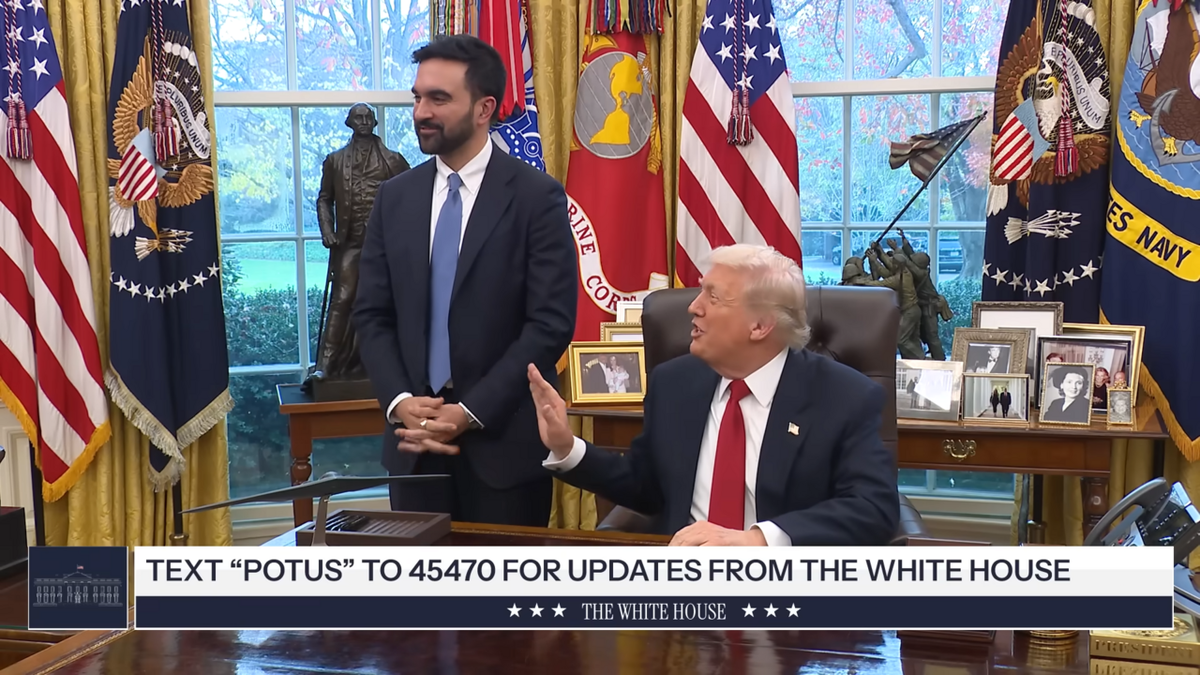
Zohran Mamdani is charismatic, accessible and now running America's largest city. His policy agenda deserves scrutiny proportionate to its ambition.
Zohran Mamdani was sworn in as New York City mayor on January 1, 2026, making him the first democratic socialist to lead America's largest city in modern history. He got there by being very good at being likeable. The former Queens assemblyman speaks in measured tones, smiles readily and has a genuine gift for translating radical policy positions into language that sounds reasonable to people who have not examined the details. Now that he is actually in office, those details matter more than ever.
The Price Tag
A comprehensive analysis by the Manhattan Institute estimates that full implementation of Mamdani's broader platform, including universal childcare, free public transit, social housing expansion and related programs, could add tens of billions in annual costs to the city budget. Mamdani's own campaign estimates were more modest, placing core priorities at around $7 to $10 billion per year. Even accepting the lower figure, that is a significant addition to a city budget of roughly $116 billion that is already under serious pressure.
New York City's fiscal situation coming into the Mamdani administration was not healthy. Pension obligations are growing faster than the tax base. The commercial real estate market has not recovered from pandemic-driven remote work shifts. Migrant services have added billions in unanticipated annual costs. The city's bond ratings have been under scrutiny. This is the environment in which Mamdani is proposing to significantly expand the scope and cost of city government.
The proposed funding mechanism compounds the concern. Mamdani has proposed new taxes on high earners, corporations and luxury real estate transactions. New York already loses high-income residents to Florida, Texas and other lower-tax states at a measurable and documented rate. Aggressive tax increases risk accelerating that outflow, eroding the very tax base the new programs depend on. The math of simultaneously driving away your tax base while massively expanding spending commitments has not worked in other cities that have tried it.
Housing: The Direction of Travel
Mamdani's Block by Block plan aims to build and preserve 400,000 affordable units over a decade with significant public investment. The goal is legitimate. New York's housing crisis is real and has been building for decades. The mechanisms Mamdani proposes to address it are where the serious questions arise.
He has advocated aggressive tenant protections, rent freezes on stabilized units and mechanisms to transfer neglected private buildings to nonprofits, community land trusts or tenants. He has spoken favorably about moving beyond the market and toward social housing models. In his more candid moments he has referenced the conceptual abolition of private property in favor of community ownership as a direction he finds philosophically preferable.
The economics of what he is proposing are well documented in cities that have tried similar approaches. A Stanford study of San Francisco's rent control found it reduced rental housing supply by 15% and increased citywide rents by 5% over time. The mechanism is straightforward: remove the profit motive for housing construction and investment, and housing construction and investment decline. The Manhattan Institute's housing analysis finds the same dynamic applies in the New York context. A city that needs hundreds of thousands of new units cannot afford policies that discourage the private investment that would build them.
Public Safety: The Walk-Back That Raised Its Own Questions
In 2020, Mamdani was a vocal supporter of defund the police rhetoric, describing the NYPD as a threat to public safety and calling for significant reductions in its budget. Those statements are on the record.
By the time he was running for mayor, the position had changed. According to Politico, Mamdani stated he was not running to defund the police, committed to maintaining current NYPD staffing levels and retained Commissioner Jessica Tisch. He now proposes additional investment in social services for mental health and homelessness alongside traditional policing.
The walk-back is worth taking seriously on its own terms. Either Mamdani genuinely evolved on the question of public safety, in which case voters deserve to understand what changed his mind, or he recognized that his 2020 position was politically incompatible with winning a citywide race and adjusted accordingly. The distinction matters because budget pressures will eventually force choices between social services and public safety spending. Which version of Mamdani shows up for those decisions is a question his record does not clearly answer.
New York's dramatic reduction in violent crime over the past three decades is one of the most significant urban success stories in American history. The policies and institutions that produced that reduction deserve protection from ideological experimentation.
Municipalization: The NYCHA Problem
Beyond housing, Mamdani has proposed greater public oversight or outright ownership of utilities and essential services, arguing that removing private profit from essential infrastructure would reduce costs for residents. The theory is straightforward. The evidence is less encouraging.
The closest existing model for what Mamdani envisions at scale is the New York City Housing Authority. NYCHA manages public housing for roughly 400,000 New Yorkers and has been in a state of chronic dysfunction for decades, with deteriorating conditions, years-long repair backlogs and persistent management failures that have harmed the very low-income residents it exists to serve. Before expanding the model of government-operated essential services, it would be reasonable to ask why the existing version of that model works as poorly as it does.
What the Evidence Says
Cities that have moved aggressively in the direction Mamdani is heading have generally not produced the outcomes their advocates promised. San Francisco implemented generous social programs, high taxes on businesses and wealthy residents, and aggressive rent control. The result has been a dramatic decline in the commercial tax base, a surge in homelessness that the programs were supposed to address and an exodus of middle-class residents that has hollowed out the city's social fabric.
Mamdani may be entirely sincere in his belief that New York will produce different results. Sincerity is not a substitute for evidence. The city's challenges are real, urgent and deserve solutions grounded in what has actually worked rather than what sounds compelling in a campaign speech. New York elected a socialist mayor. The bill is coming. The only question is who pays it.

Comments ()