The Pro-Life Generation Is Here. And They Are More Committed Than Anything That Came Before.
A new wave of young Americans is embracing the pro-life cause not as a political position but as a moral conviction rooted in science and faith
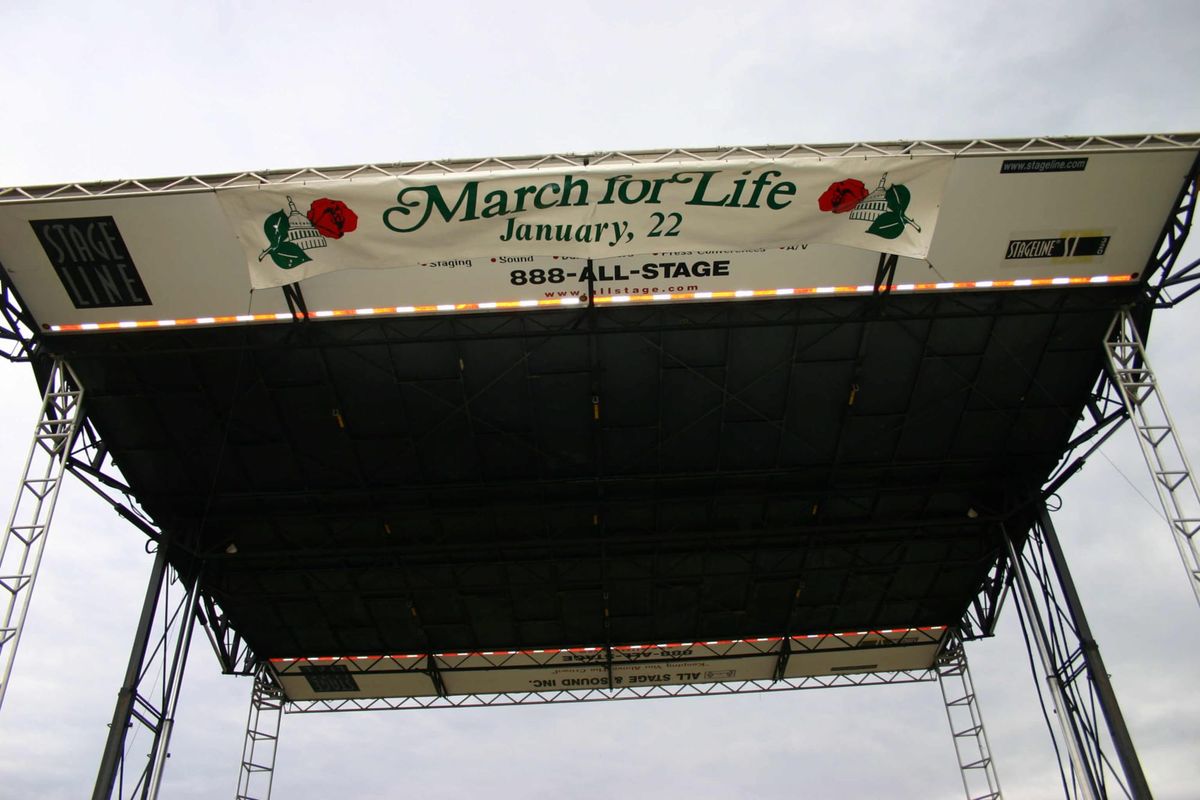
Post-Dobbs polling and record youth membership figures suggest the movement is gaining ground among younger Americans, not losing it.
Predictions that the pro-life movement would fade after the Supreme Court's 2022 Dobbs decision have not held up. New polling and organizational data show a younger generation stepping into the cause with increasing commitment and sophistication.
The Numbers
Gallup polling from 2025 found that 37 percent of Americans aged 18 to 29 identify as pro-life, an 11-point increase since 2022. Support for abortion being legal in all circumstances among that age group dropped to 34 percent, a 14-point decline over the same period.
Students for Life of America, the largest pro-life youth organization in the country, reported record membership and campus group growth since Dobbs, with more than 1,500 active groups across all 50 states.
A Science-Driven Approach
Young pro-life advocates are increasingly leading with embryology, ultrasound imaging, and fetal development data alongside moral arguments. Organizers say the approach has made them more effective in campus debates and state legislative hearings than previous generations of advocates.
Post-Dobbs Energy
Rather than demoralizing the movement, returning abortion policy to the states has reportedly energized a new wave of activists. Organizations cite increased participation in state-level advocacy, pregnancy resource center volunteering, and sidewalk counseling.
Analysis from the Daily Signal notes the movement has also grown more diverse, with rising participation from Hispanic, Black, and Asian Americans, challenging a decades-old media caricature of who makes up the pro-life base.
The Long Game
Pro-life advocates have long described their work as a generational project. The generation that came of age after Roe's fall appears to understand that framing, with state-level legislative wins, clinic closures, and campus organizing all pointing toward a movement that has recruited and trained a new cohort of advocates rather than resting on the work of previous decades.

Comments ()