God Is Back. The Numbers Behind America's Stunning Christian Revival Are Impossible to Ignore.
Church attendance is rising, baptisms are surging, and a generation that was supposed to abandon faith has turned back to God
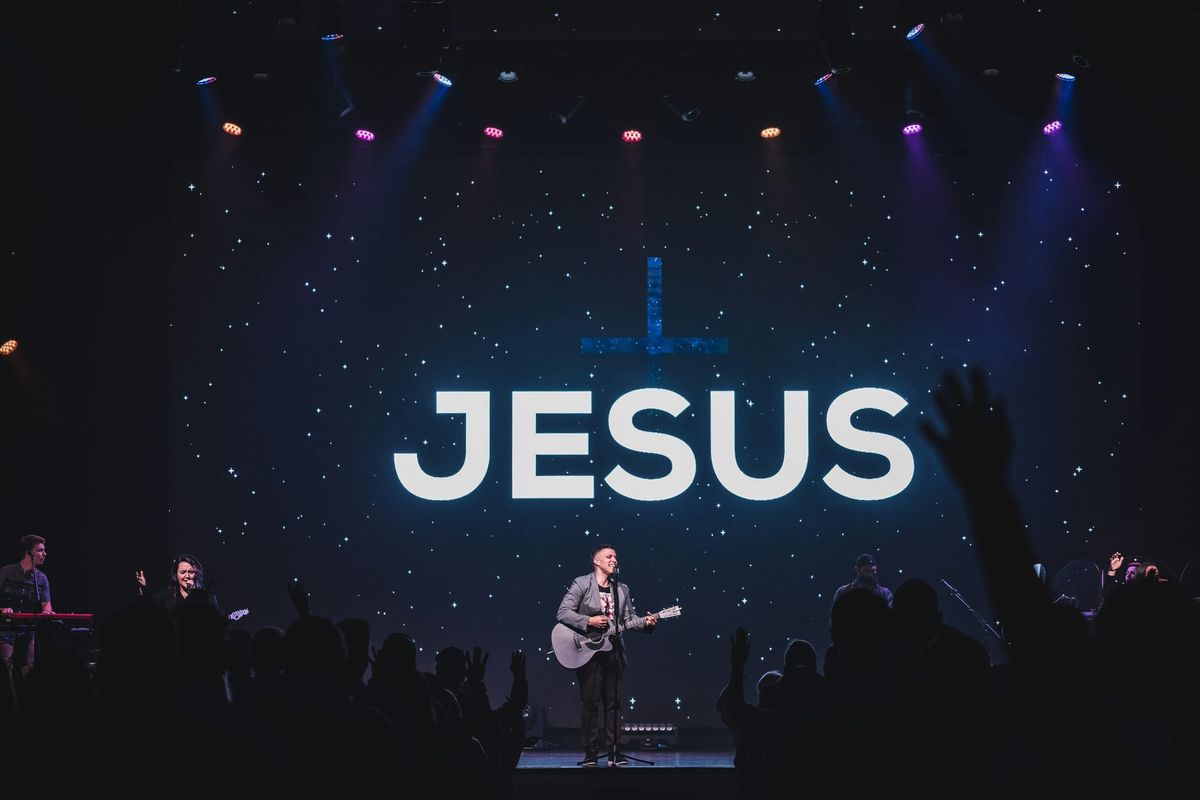
New data from Barna, Gallup, and Pew shows the first sustained uptick in Christian attendance and identification among Gen Z in decades, reversing years of confident predictions about secularization.
After decades of declining church attendance and rising numbers of religiously unaffiliated Americans, new research shows a surprising reversal among younger generations, with Gen Z and Millennials driving a measurable return to Christian faith.
The Numbers
Barna Group research released in September 2025 found that Gen Z churchgoers now attend services an average of 1.9 weekends per month, while Millennials average 1.8 times — higher than older generations and the first time in decades that younger adults are the most regular church attendees.
Gallup polling from April 2026 shows 40 percent of young men ages 18 to 29 now attend religious services monthly or more, the highest level in over a decade. Some 42 percent say religion is "very important" to them, up sharply from 28 percent in 2022 and 2023.
The Pew Research Center's 2025 Religious Landscape Study found that the long-term decline in Christian identification has slowed and may have leveled off entirely among younger cohorts, a finding that contradicts decades of projections about inevitable secularization.
Why the Turnaround
Pastors and researchers point to a generation shaped by social media-driven isolation, a worsening mental health crisis, and a growing disillusionment with secular culture's failure to provide meaning or community. Washington Post reporting from April 2026 notes the trend is particularly pronounced among young men, who are turning to faith at rates not seen in a generation.
Churches offering serious theology, traditional liturgy, and clear moral expectations are seeing the strongest growth. Pastors describe a qualitatively different kind of newcomer: not legacy Christians continuing family habits, but people from secular backgrounds arriving with serious questions and a genuine appetite for doctrine.
"They want to know why," said one nondenominational pastor in Portland. "They're not interested in feel-good platitudes. They want theology."
What It Means
The revival cuts across denominations and regions, showing up in evangelical churches in the South, Catholic parishes in the Midwest, Orthodox communities in urban centers, and nondenominational congregations on the coasts. Churches that had been planning for managed decline are now accommodating growth they never anticipated.
The assumption that secularization was inevitable — that each generation would be less religious than the one before — is now being tested by data pointing in the opposite direction.



Comments ()