He Had a White House Badge, a Famous Father, and Access to Everything. Why Did Buckley Carlson Vanish Overnight?
The son of America's most controversial media figure has left his communications post under circumstances that sources describe as rushed and unexplained
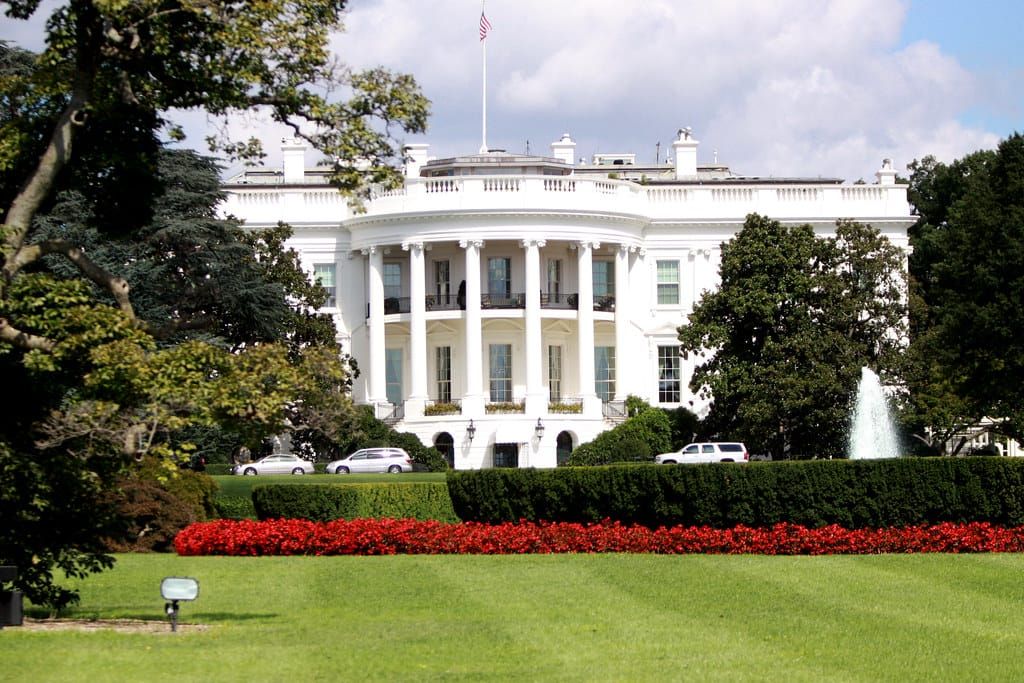
Tucker Carlson's son departed Vice President Vance's press team in April 2026 to launch his own consulting firm. The official account is straightforward. The timing raises questions that nobody involved has chosen to answer.
Buckley Carlson, son of conservative commentator Tucker Carlson, left his position as Deputy Press Secretary to Vice President JD Vance in mid-April 2026. The stated reason is a standard one in Washington: a young staffer leveraging government experience to launch a political consulting firm. The timing is less standard.
The Career
Buckley Carlson graduated from the University of Virginia in 2021 and built his resume in Republican communications, including a role with Rep. Jim Banks. He joined Vance's press operation at the start of the second Trump administration in January 2025. Colleagues described him as capable and operationally skilled, with abilities that extended beyond his family name.
The Official Account
According to reporting from Politico and the New York Post, Buckley informed Vance's office of his intention to leave as early as December 2025 and stayed on several additional months to ensure a smooth transition. He exited around April 18 to 20, 2026. Officials in the Vice President's office have described it as a planned move, consistent with broader staff turnover common in any administration's second year.
That is the official account. It may be entirely accurate.
The Questions the Official Account Doesn't Address
What the official account does not address is the context surrounding the departure. The exit coincides with an escalating and very public rupture between Tucker Carlson and President Trump, centered largely on Iran policy. Tucker has been a vocal and sustained critic of the administration's approach to the Iran strikes and subsequent negotiations. That friction is documented and ongoing.
Neither Buckley Carlson, Tucker Carlson nor anyone in the Vice President's office has stated publicly whether that family tension played any role in the departure. Tucker Carlson, who has built a media brand on demanding answers from powerful institutions, has said nothing about his son's exit from one of the most powerful offices in the country. That silence is notable, even if it proves nothing.
The questions that remain unanswered are legitimate ones. Did policy disagreements between Tucker Carlson and the administration create uncomfortable pressures for a son serving inside that administration? Were there conversations about the optics of his position given his father's increasingly public opposition to administration policy? Was the December 2025 timeline genuinely driven by career ambition, or were other factors involved that the parties have chosen not to disclose?
None of this is asserted. All of it is worth asking.
The Broader Dynamic
The Carlson family represents something genuinely new in American political life: the direct translation of media influence into governmental access. Tucker Carlson's platform has shaped conservative foreign policy thinking and influenced the direction of the Republican Party. His son's presence in the Vice President's press operation represented that influence operating at an institutional level. That intersection of media celebrity and governmental authority raises legitimate questions about independence, loyalty and potential conflicts of interest regardless of which family is involved.
It is also worth noting that stories involving internal conservative tensions are precisely the kind of content that foreign-linked influence operations have a documented interest in amplifying. Iranian, Russian and Chinese state-linked accounts have all been observed boosting narratives that fragment America First coalitions or suggest dysfunction within the Trump administration. The appropriate response to that reality is not to ignore legitimate questions. It is to ask them carefully, source them rigorously and resist the pull toward unverified speculation that serves someone else's agenda.
The facts here are documented. The questions they leave open are real. The answers, for now, belong to people who have chosen not to provide them.

Comments ()