They Survived Abortion. Now They're Fighting to Make Sure No One Else Has To.
Abortion survivors are among the most powerful voices in the pro-life movement, and their stories are changing minds in ways that no political argument can
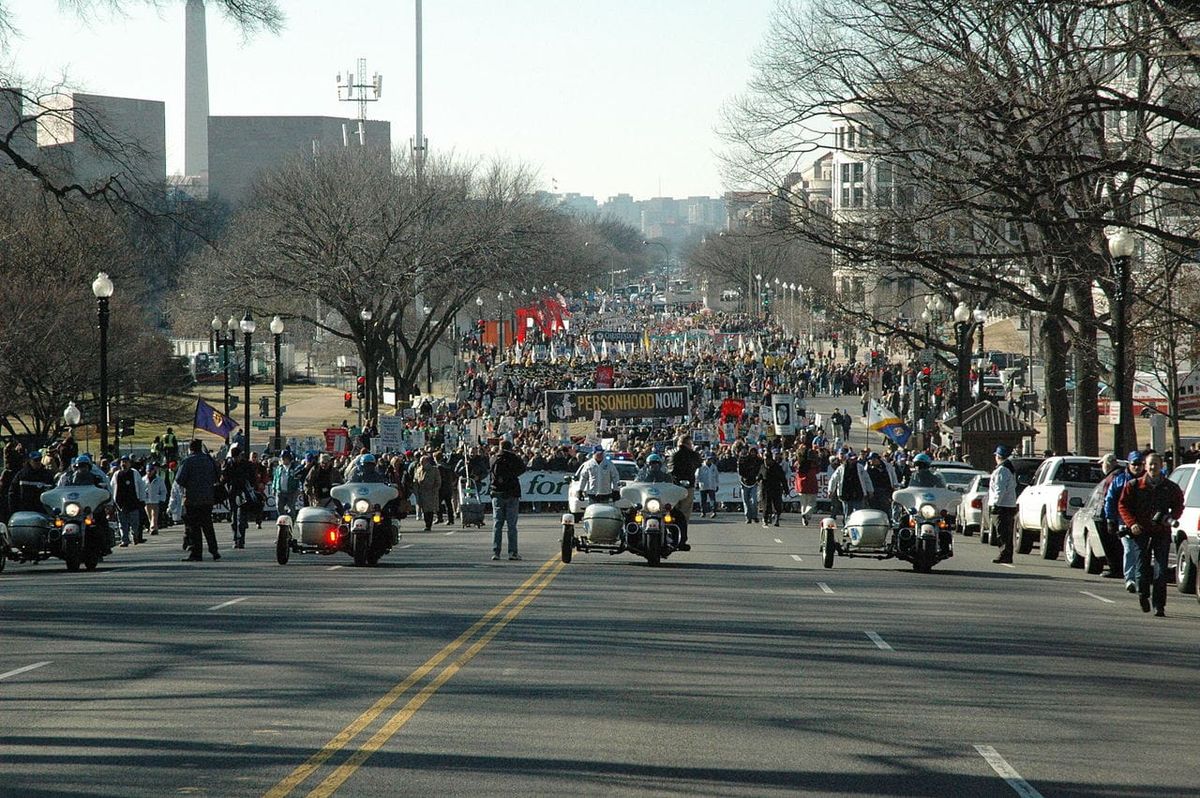
From hospital morgues to international stages, abortion survivors are forcing a debate that prefers abstraction to confront a human reality it cannot argue away.
bortion survivors — individuals born alive after procedures intended to end their lives — have become some of the most compelling voices in America's abortion debate, offering first-person testimony that reframes the discussion around lived human experience rather than legal abstraction.
Who They Are
Melissa Ohden survived a saline infusion abortion in 1977. Born alive and left in a hospital morgue, she was rescued when a nurse heard her crying. She later located her birth mother, learned her grandmother had arranged the procedure without her mother's full consent, and founded the Abortion Survivors Network.
Gianna Jessen also survived a saline abortion attempt in 1977, born prematurely with cerebral palsy resulting from the procedure. She has since become an international speaker, describing her condition not as a burden but as the foundation of her platform.
Claire Culwell survived a failed abortion that killed her twin. She learned the truth as a teenager, later located her birth mother, and has written and spoken extensively about forgiveness and the value of her survival.
The exact number of abortion survivors is difficult to determine due to limited reporting requirements. The Abortion Survivors Network documents hundreds of known cases in the U.S., with advocates arguing the actual figure is considerably higher.
What They Are Demanding
Survivors have become prominent advocates for the Born-Alive Abortion Survivors Protection Act, which would require medical professionals to provide the same standard of care to infants born alive after failed abortions as would be given to any other child at the same gestational age. The bill has repeatedly passed the House but stalled in the Senate.
Beyond legislation, survivors argue the debate itself must be conducted more honestly, with less reliance on clinical language that obscures what abortion procedures involve and what is at stake when they fail.
The Weight of Their Testimony
What distinguishes survivor testimony from other arguments in the abortion debate is its resistance to rebuttal. These are not philosophical positions or religious convictions subject to counter-argument. They are first-person accounts of people who were the intended subjects of procedures designed to end their lives and who lived anyway.
Their presence in the debate forces a confrontation with the concrete human reality that more abstract discussions can avoid. For a movement that has long argued fetal life deserves legal protection, abortion survivors are among the most consequential witnesses available.
Comments ()