Congress Confirmed the COVID Conspiracy Theories the Media Ignored
Congress released a 500-page investigation, Fauci's full testimony, and a lab leak conclusion. Six major networks have largely moved on. The question is whether you have, too.
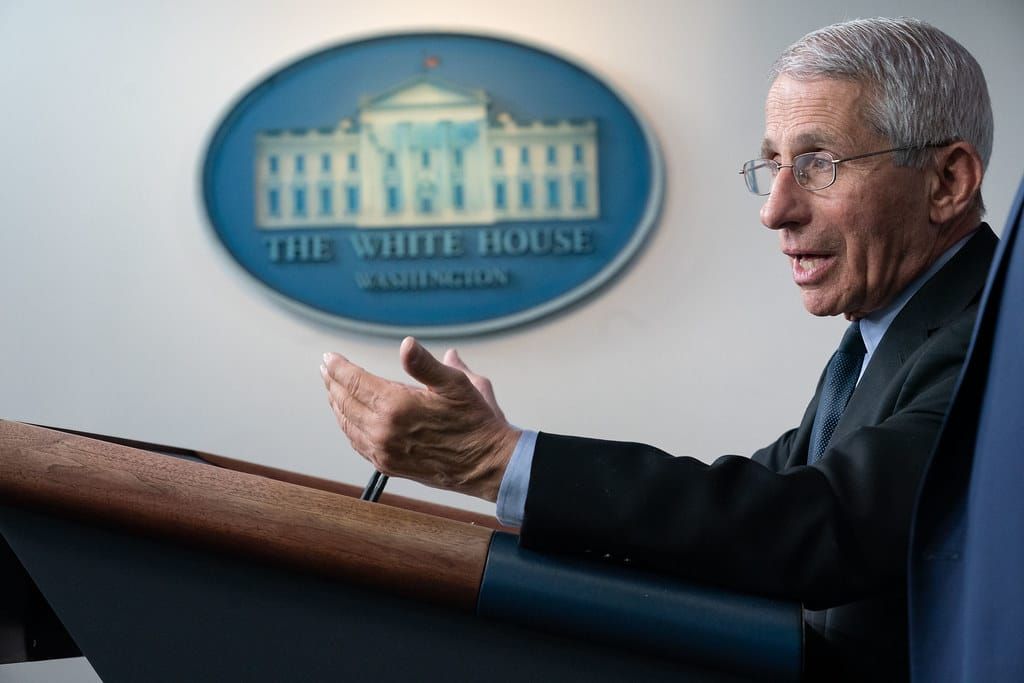
What was once dismissed as a conspiracy theory is now in a 500-page congressional report. The investigation happened. The coverage didn't.
For years, Americans were told certain questions were off limits. Question the origins of COVID-19? Conspiracy theory. Question research connected to Wuhan? Conspiracy theory. Question whether public health officials got everything right? Conspiracy theory. Then Congress spent two years investigating many of those same questions.
Congressional reports, testimony transcripts, and investigative findings have reignited questions about COVID-19 origins, gain-of-function research, federal funding oversight, and what government officials knew during the pandemic. Yet many Americans are asking a different question: why does it feel like some of the nation's largest news organizations have largely moved on from the story?
A Multi-Year Congressional Investigation
In December 2024, the House Select Subcommittee on the Coronavirus Pandemic concluded a two-year investigation into the origins of COVID-19 and the federal government's pandemic response. The committee released a final report exceeding 500 pages, titled "After Action Review of the COVID-19 Pandemic: The Lessons Learned and a Path Forward."
Committee investigators reviewed extensive records, conducted interviews, and held public hearings. One of the most anticipated interviews involved Dr. Anthony Fauci himself. The Select Subcommittee released Fauci's transcribed interview and highlighted key takeaways from the closed-door testimony.
The Gain-of-Function Debate
Fauci became the public face of America's pandemic response. Congress later questioned him extensively regarding COVID origins, NIH funding, gain-of-function research, and statements made throughout the pandemic.
Among the most controversial issues investigated by Congress was gain-of-function research and whether taxpayer-funded research connected to Wuhan should have been classified as such. Fauci maintained for years that the National Institutes of Health did not fund gain-of-function research at the Wuhan Institute of Virology.
Committee Republicans argued that testimony and documents raised serious questions about NIH grant oversight, the definition of gain-of-function research, and the federal government's relationship with EcoHealth Alliance. Those statements, critics said, created contradictions that deserved additional scrutiny. Fauci's supporters countered that scientific definitions surrounding gain-of-function research have been widely debated and that disagreements over terminology should not be confused with evidence of intentional misconduct.
The COVID Origins Question
Perhaps the most significant finding of the Republican-led investigation involved the origin of COVID-19. The Select Subcommittee's final report concluded that a laboratory-related incident was the most likely origin of the pandemic. The report also raised concerns regarding EcoHealth Alliance, federal grant oversight, and research partnerships involving the Wuhan Institute of Virology.
Those findings received significant attention among independent journalists, researchers, and members of Congress. However, not everyone agreed with the committee's conclusions.
The Democratic Rebuttal
Democratic members of the same committee released their own report challenging several of the investigation's conclusions. According to Democratic investigators, years of testimony, documents, and evidence failed to establish that Fauci intentionally misled the public or Congress. They argued that Republican investigators overstated certain findings and that many allegations against Fauci were not supported by the available evidence.
The Democratic report also criticized efforts to portray Fauci as personally responsible for the pandemic and maintained that public health decisions should be evaluated within the context of an unprecedented global crisis.
Same investigation. Same witnesses. Same public record. Different conclusions. That contradiction is why this story remains relevant.
The Bigger Issue: Trust
Whether one believes Fauci acted appropriately or improperly, the larger issue may no longer be Anthony Fauci himself. It may be trust – trust in public health institutions, in government agencies, in scientific experts, and in journalism.
Millions of people experienced job losses, business closures, educational disruption, and major life changes during the pandemic. Because the stakes were so high, questions surrounding transparency continue to resonate years later. Many still believe important questions remain unanswered. Others believe the investigations have already answered those questions and that the evidence does not support claims of wrongdoing. Both viewpoints continue to exist.
What cannot be disputed is that Congress conducted a lengthy investigation, released extensive findings, and produced hundreds of pages of supporting materials. The question now becomes: have Americans seen enough coverage of those findings to make up their own minds?
Read the reports. Review the evidence. Decide for yourself.
About the Author
Keith Degitz is an independent journalist and founder of Conspiracy Theory Nut (CTN), a digital media platform focused on accountability, public policy, and underreported stories. His reporting and commentary reach audiences across multiple social media platforms.
Comments ()